LEAD Conference
A CONFERENCE FOR EDUCATION LEADERSLEAD 2026
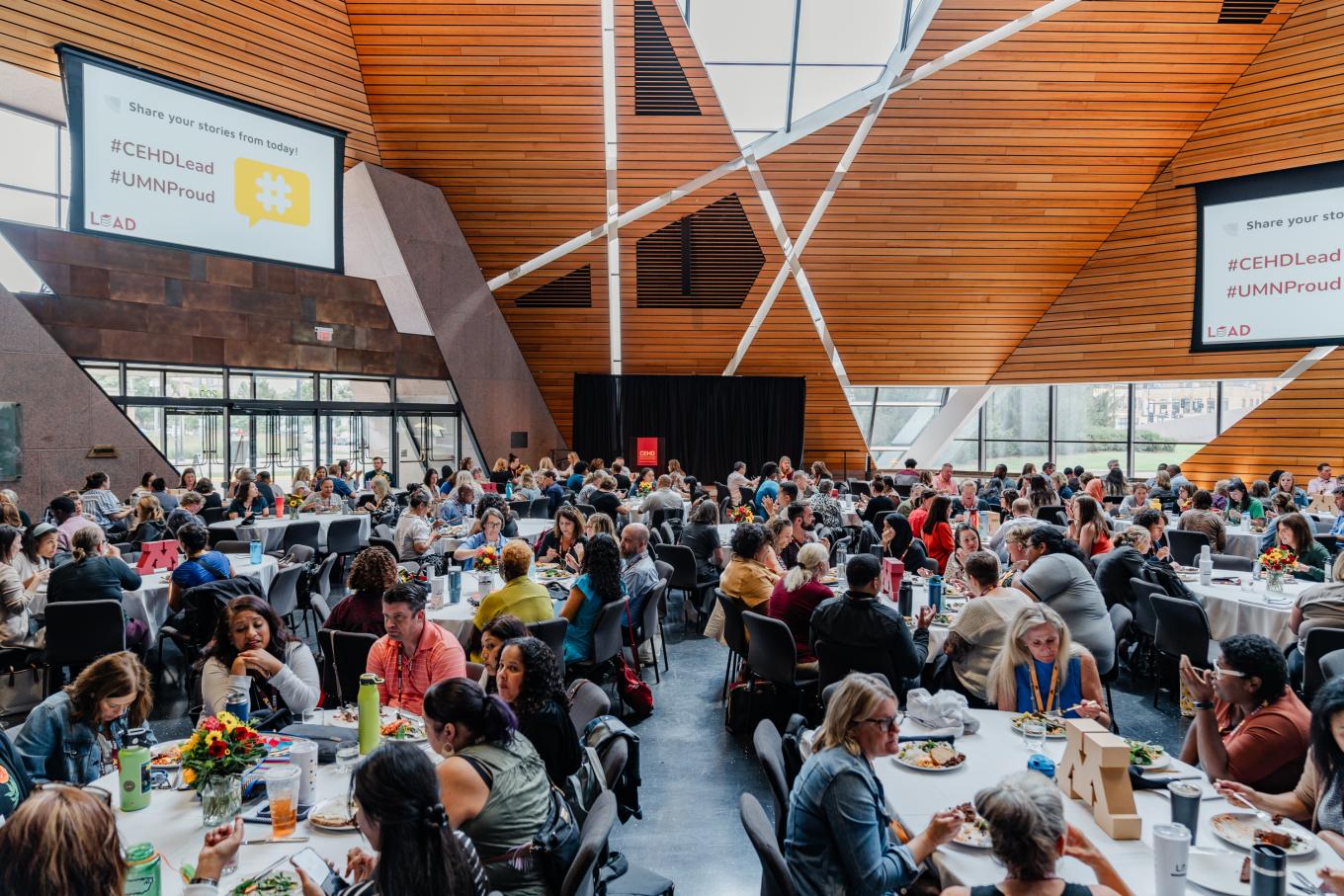
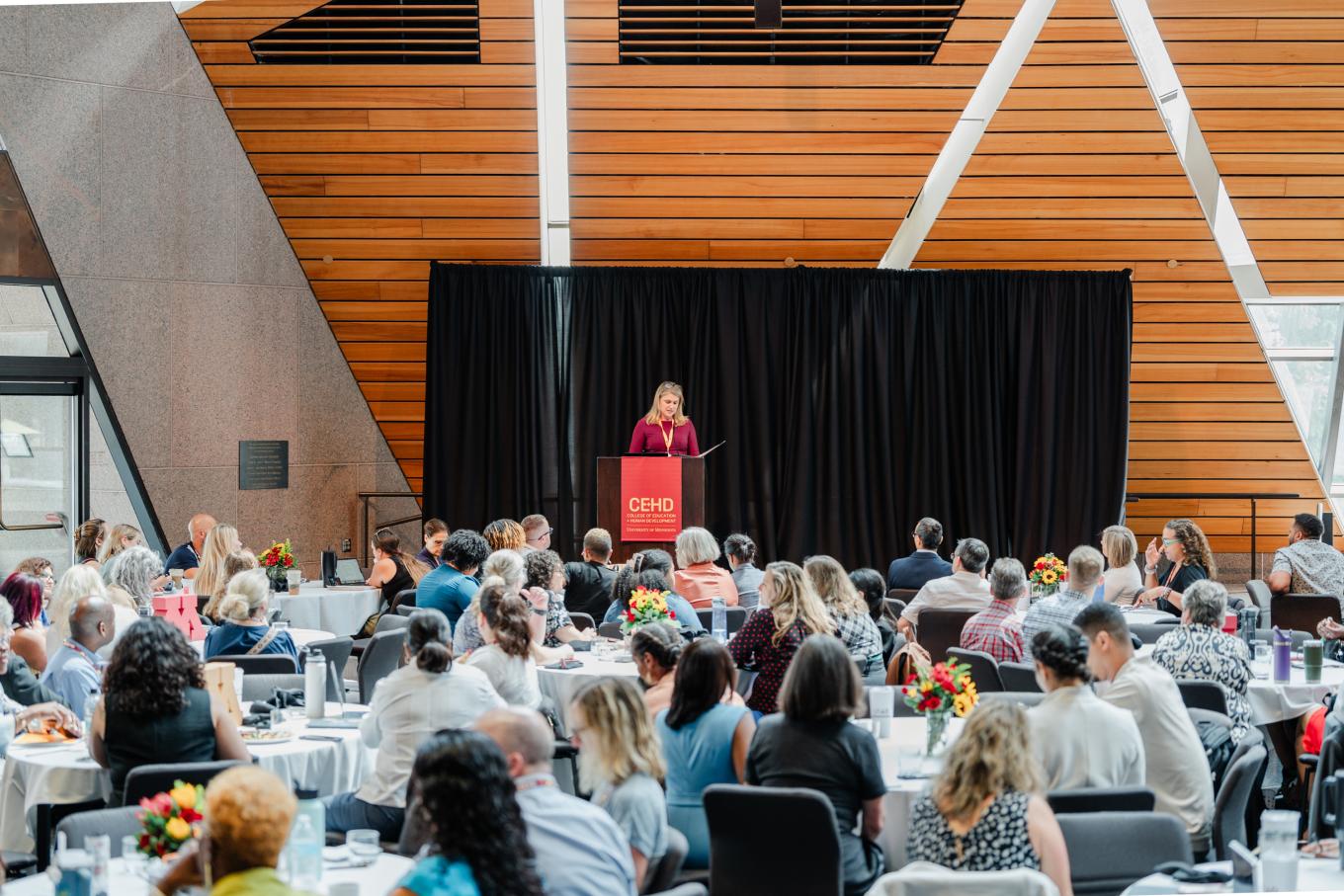
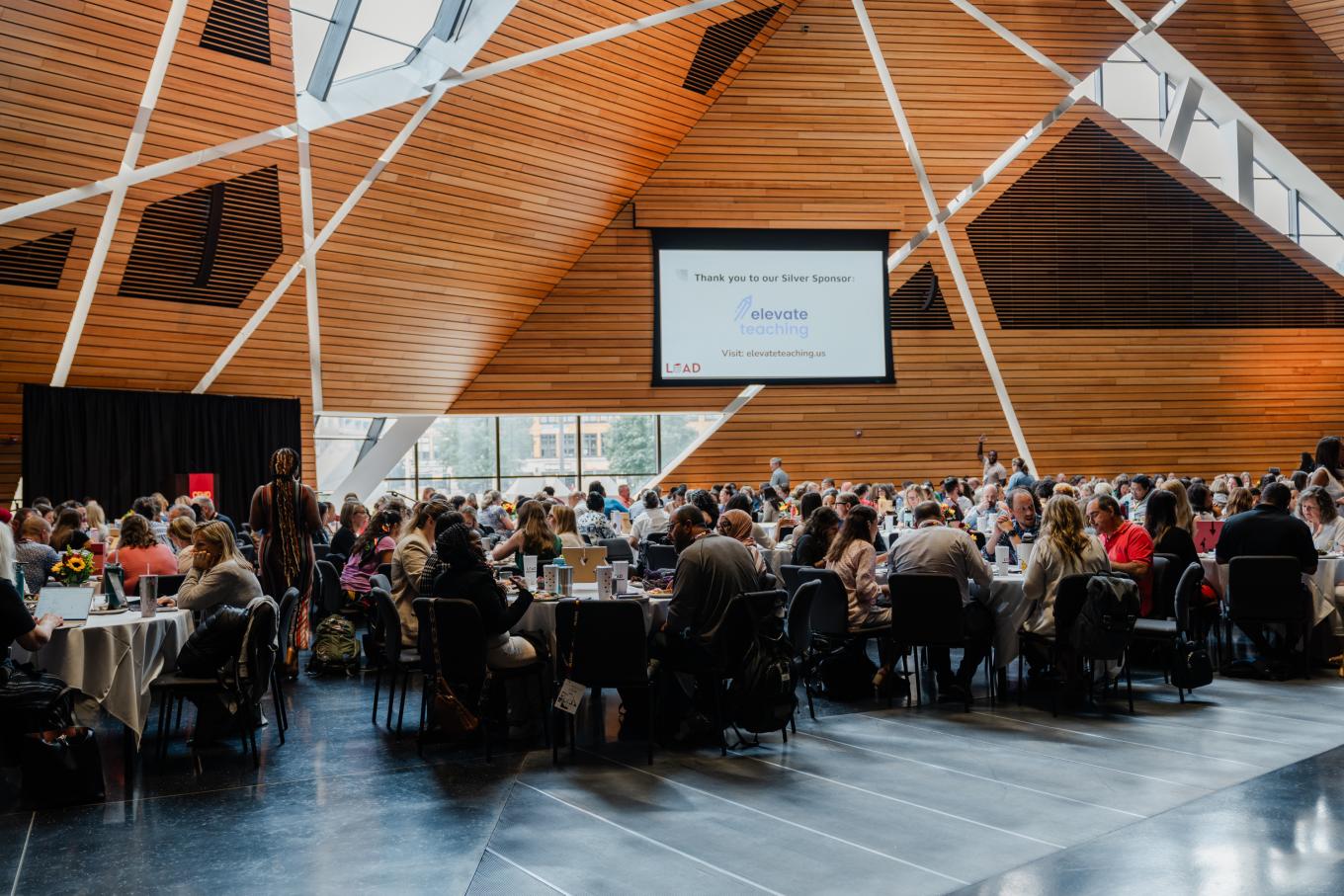
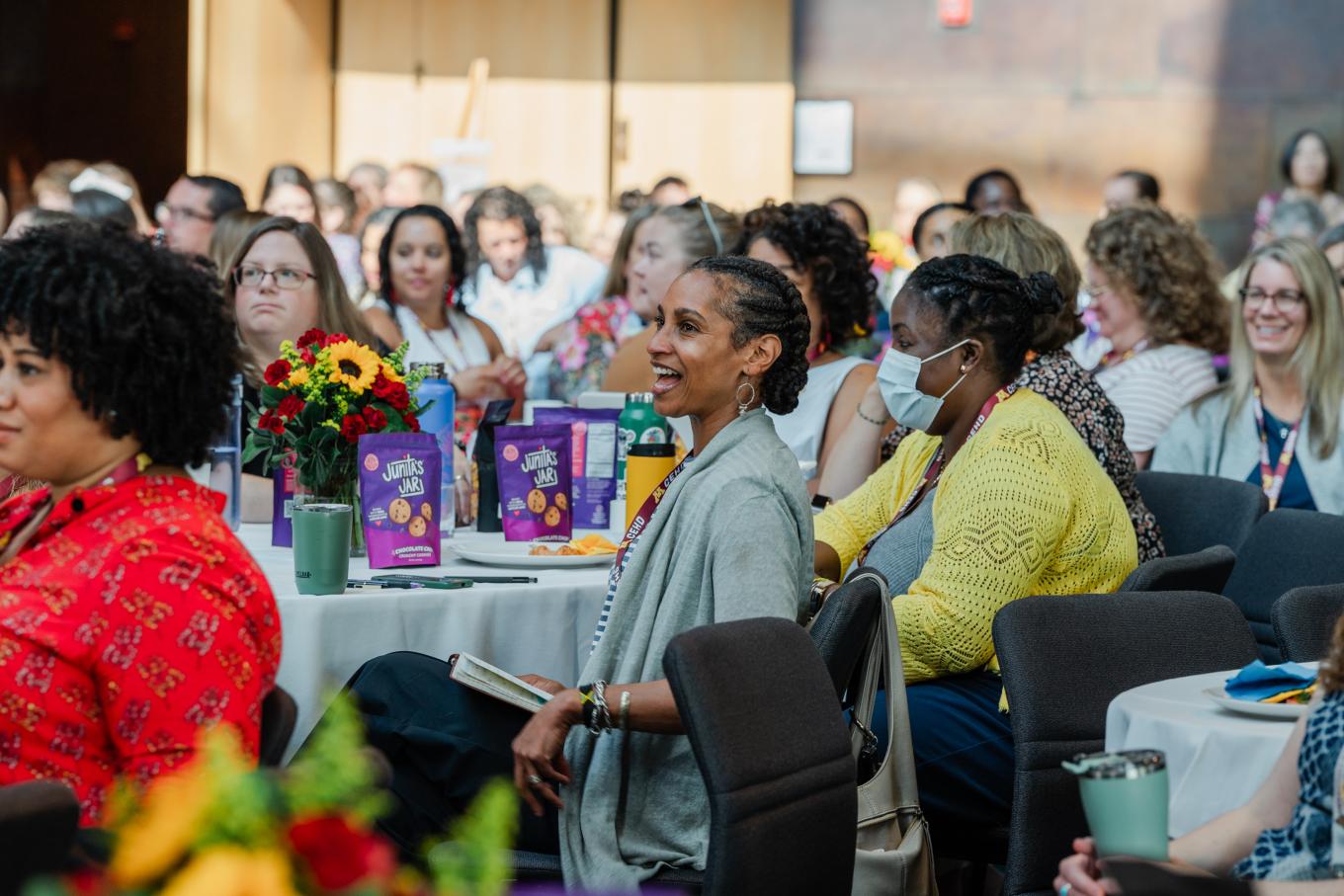
The 2026 LEAD Conference will take place July 28-29, at the McNamara Alumni Center. Registration is now open!
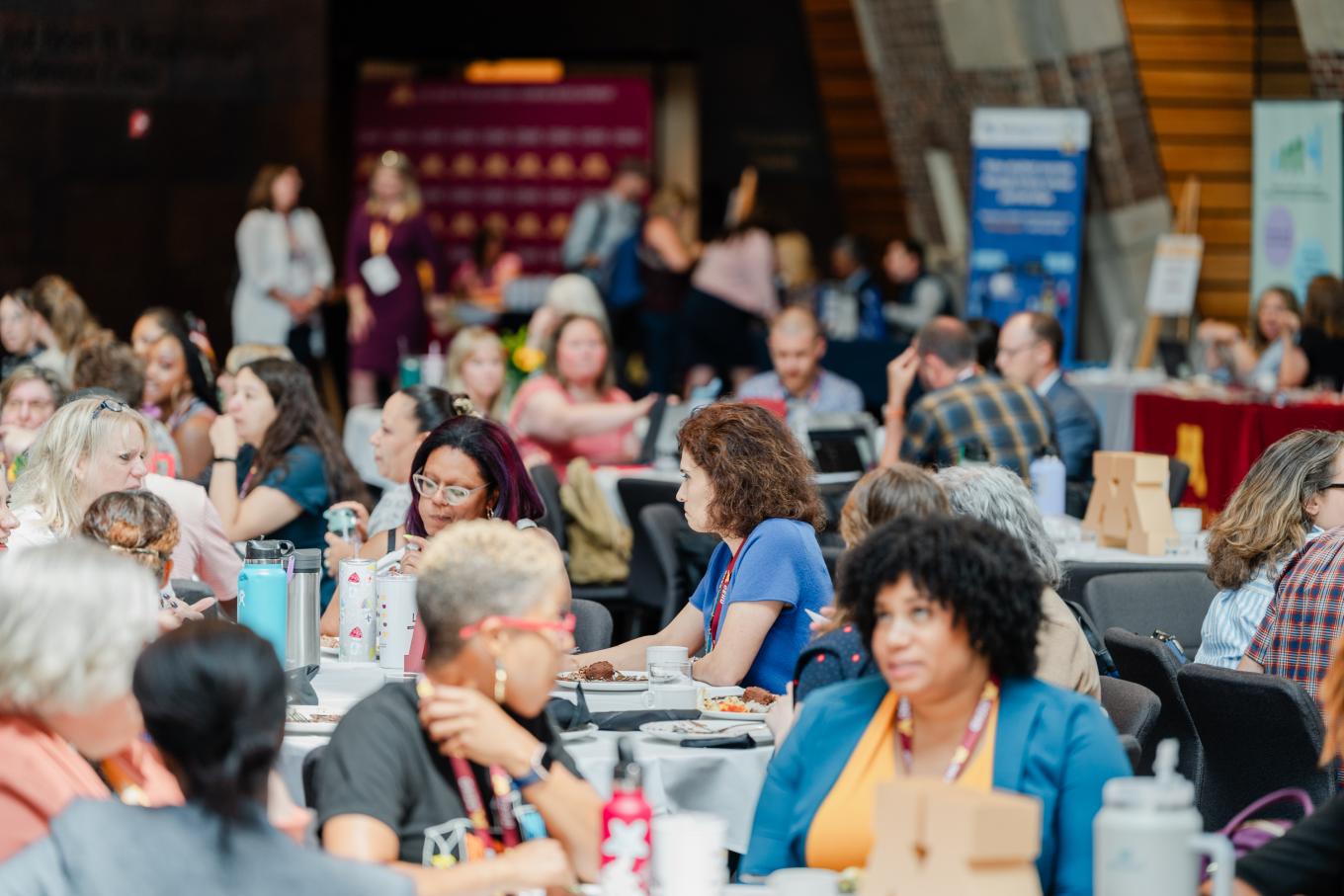
The LEAD Conference supports education leaders by offering actionable insights, tools, and strategies to improve PreK-12 school systems. All are welcome.
Thanks to the generosity of our donors, registration for LEAD 2026 is now more affordable than ever. We’ve lowered our rates to help more education leaders join us this summer.
- New Standard Rate: $300
2026 keynote speakers
John Wright
John S. Wright is a Morse-Amoco Distinguished Teaching Professor Emeritus of African American & African Studies and English at the University of Minnesota. A fourth generation Minnesotan born in the Phillips neighborhood of Minneapolis, Wright received degrees in three different fields from the University of Minnesota: his Ph.D. (American Studies / History of African Peoples, 1977), M.A. (English & American Literature, 1971), and B.E.E. (Electrical Engineering, 1968). Before leaving in 1973 to build a Black Studies program at Carleton College, he participated in the student movement that helped found both the University’s Department of African American & African Studies and its Martin Luther King Program (which he subsequently administered for three years). While chairing Afro-American & African Studies at Carleton from 1974-82, he began a long association with Harvard’s W.E.B. DuBois Institute, where he was twice appointed a Research Associate (1982 & 1991); and he served also as a Scholar in Residence at the Schomburg Research Center in Harlem. He returned to the University of Minnesota in 1984, chairing the Department of African American & African Studies; and he spearheaded the acquisition of the Archie Givens, Sr. Collection of African American Literature and Life in 1985, for which he remains its Founding Faculty Scholar.
A fourth generation Minnesotan, Wright has deep family ties to St. Paul’s Rondo community and to Minneapolis’s North Side and South Side as well. His grandparents participated actively in the early 1900s National Afro-American Council, and in such North Minneapolis institutions as the Phillis Wheatley Center. His father, Boyd Wright, and aunt, Martha Wright Wilson, were graduates of the North High Class of 1934, where Martha Wright earned class valedictorian honors; and both became graduates of the University of Minnesota Class of 1938. His mother, Mae Wright, one of a small group of African American professional educators in the Minneapolis School District prior to the 1970s, taught in elementary schools and pioneered Special Education services all across the North Side for more than a quarter of a century.
In addition to teaching courses on African American cinema for more than two decades, Wright has served as a consultant for regional & national public television documentaries, including the Africans in America series; Midnight Ramble: The Cinema of Oscar Micheaux; Literature and Life: the Givens Collection; North Star: Minnesota’s Black Pioneers; PBS’s Free to Dance series; and TPT’s This Free North: Black History at the University of Minnesota.
Non-discrimination statement
This event is open to all. The University of Minnesota shall provide equal access to and opportunity in its programs, facilities, and employment without regard to race, color, creed, religion, national origin, gender, age, marital status, familial status, disability, public assistance status, membership or activity in a local commission created for the purpose of dealing with discrimination, veteran status, sexual orientation, gender identity, or gender expression.
Land acknowledgement
The University of Minnesota Twin Cities is built within the traditional homelands of the Dakota people. It is important to acknowledge the peoples on whose land we live, learn, and work as we seek to improve and strengthen our relations with our tribal nations. We also acknowledge that words are not enough. We must ensure that our institution provides support, resources, and programs that increase access to all aspects of higher education for our American Indian students, staff, faculty, and community members.