CEHD Research & Innovation Day
CEHD Research & Innovation Day showcases the impact of college research on our lives. This open house-style event features poster presentations from select students and faculty in the College of Education and Human Development.
Research Day posters from previous years are available in the UMN Data Conservancy.
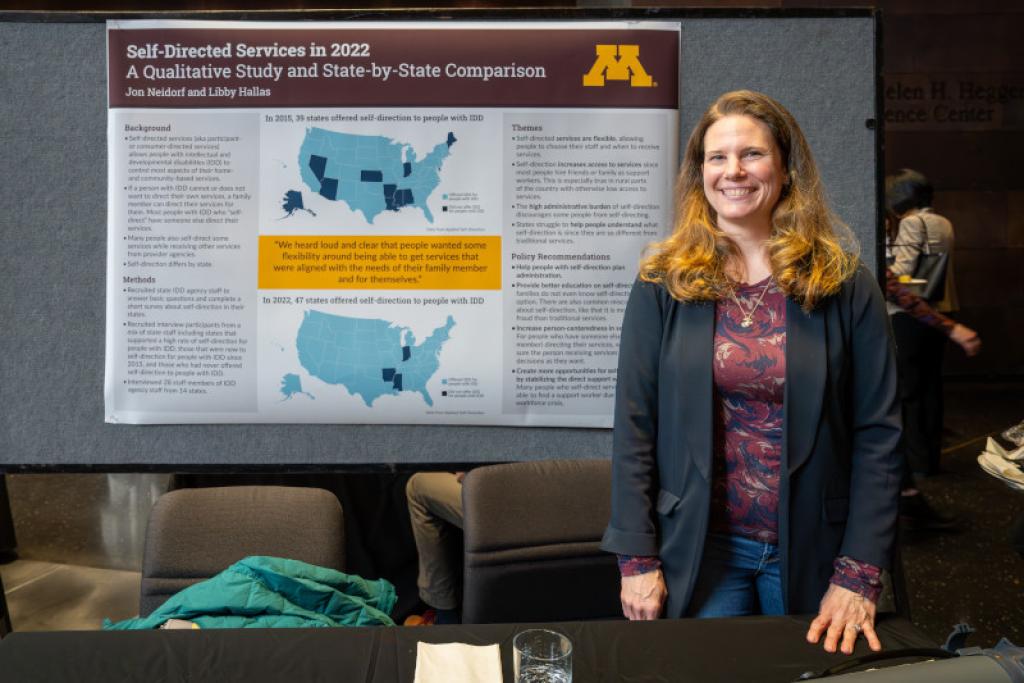

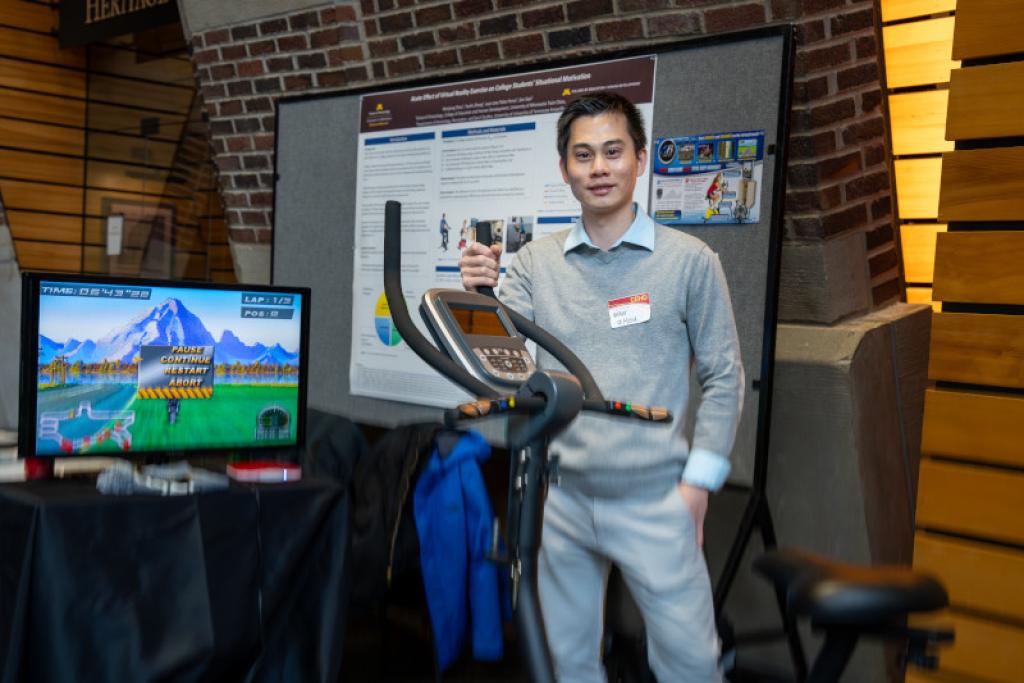
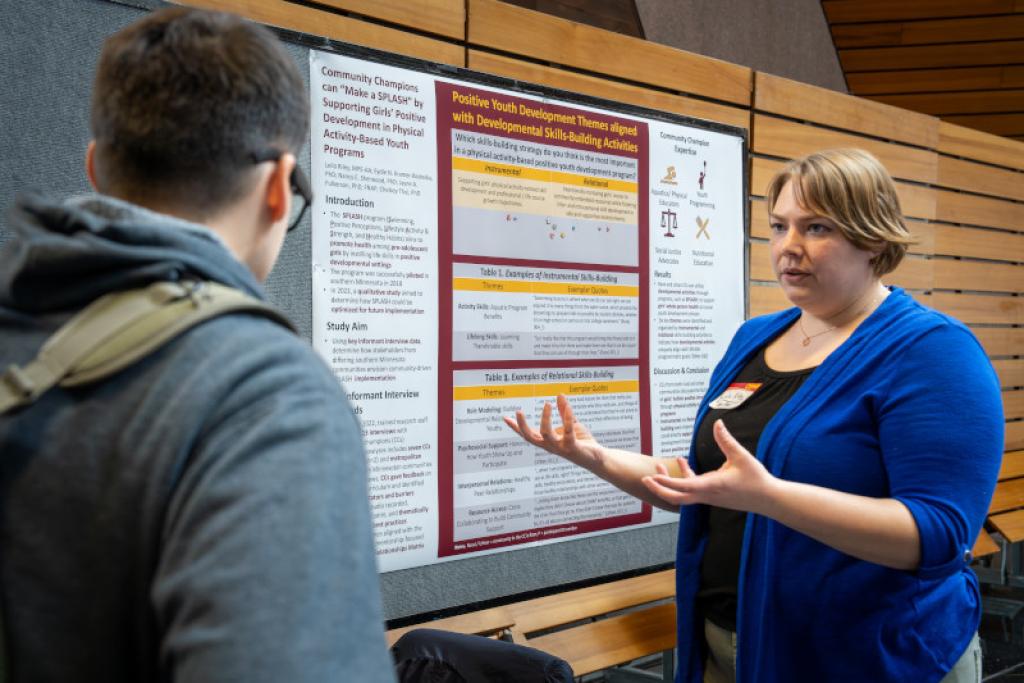
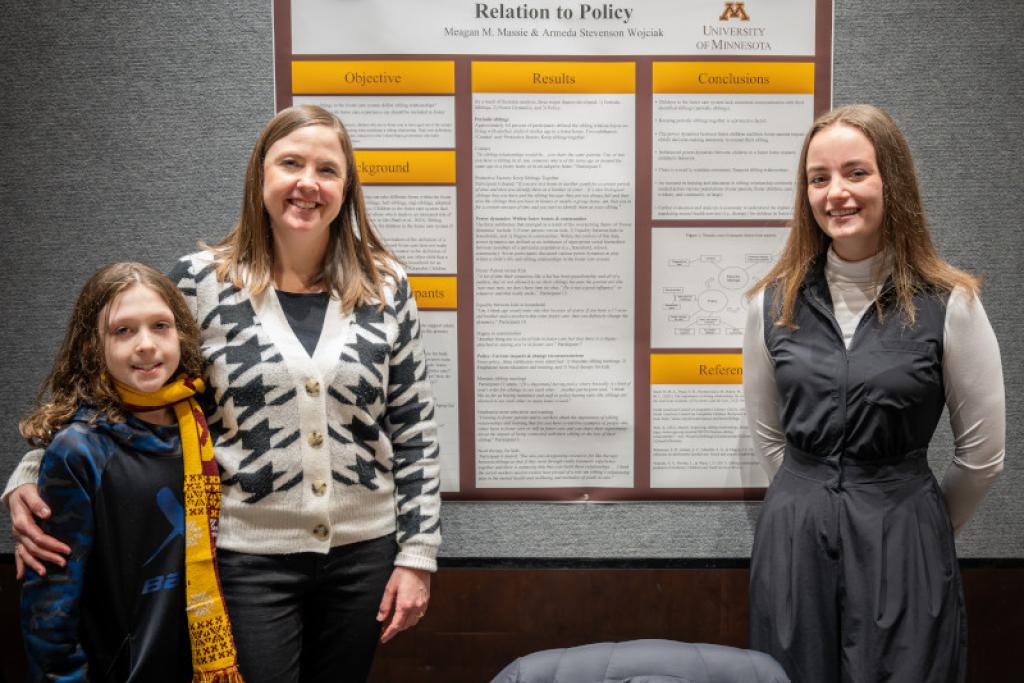


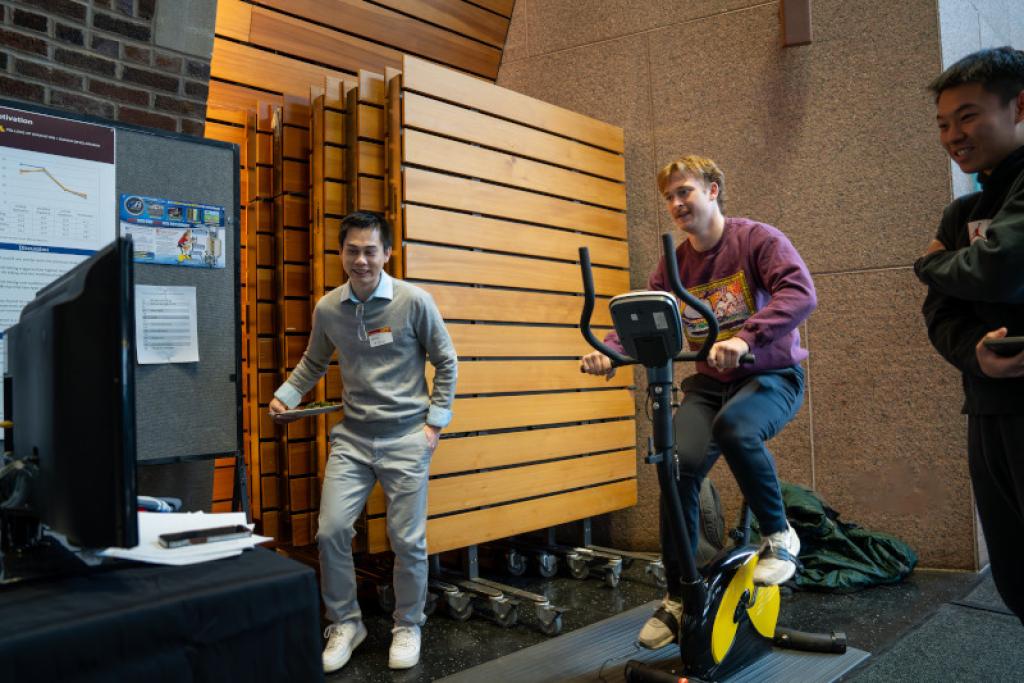

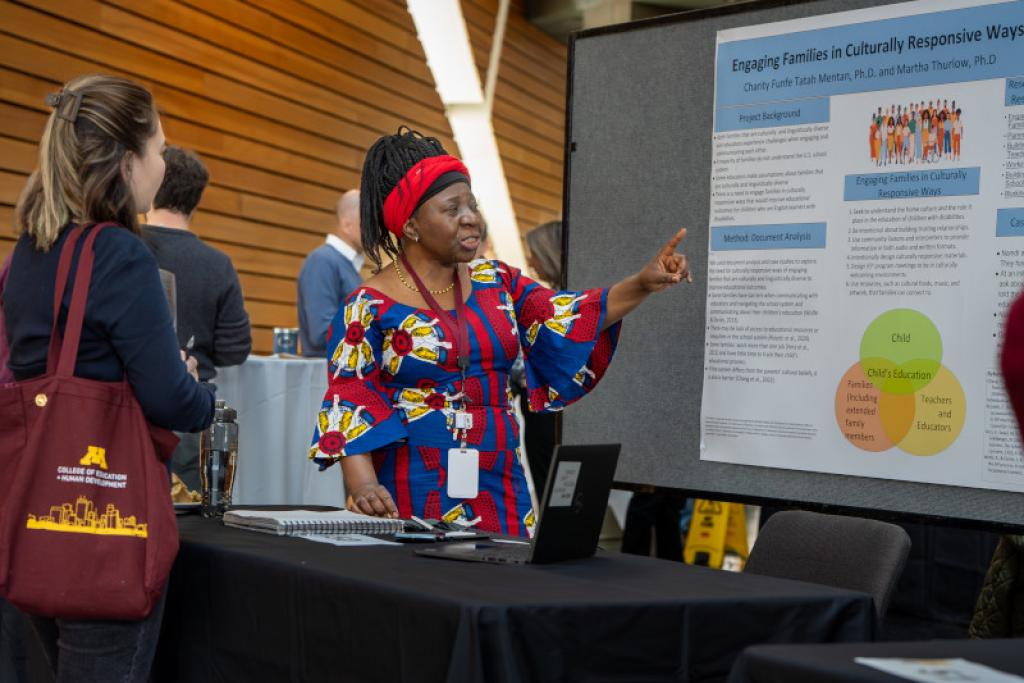

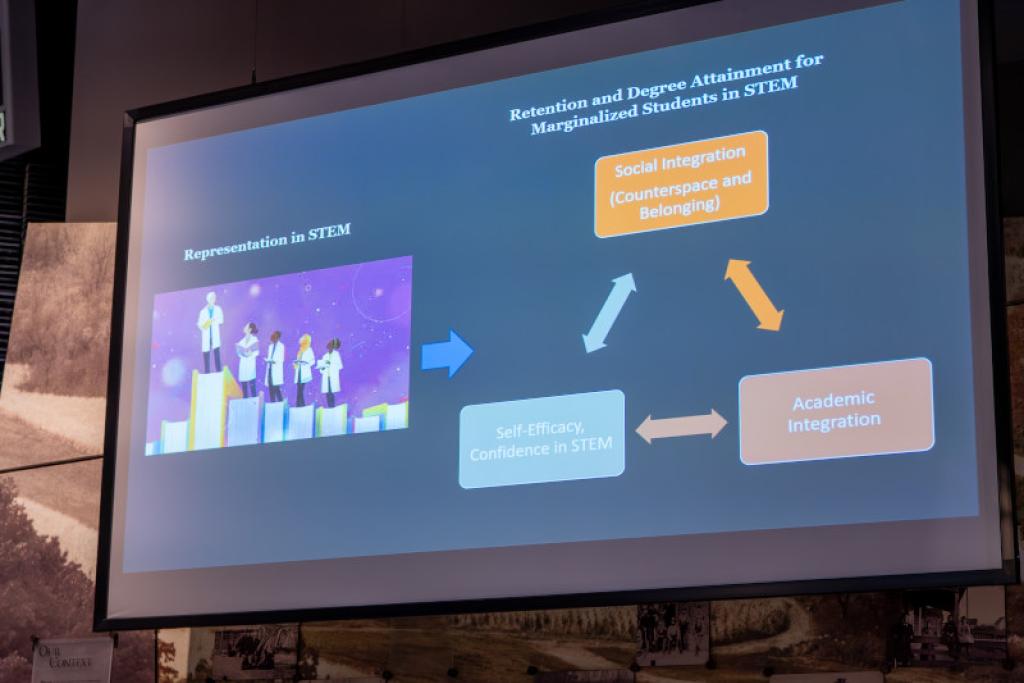





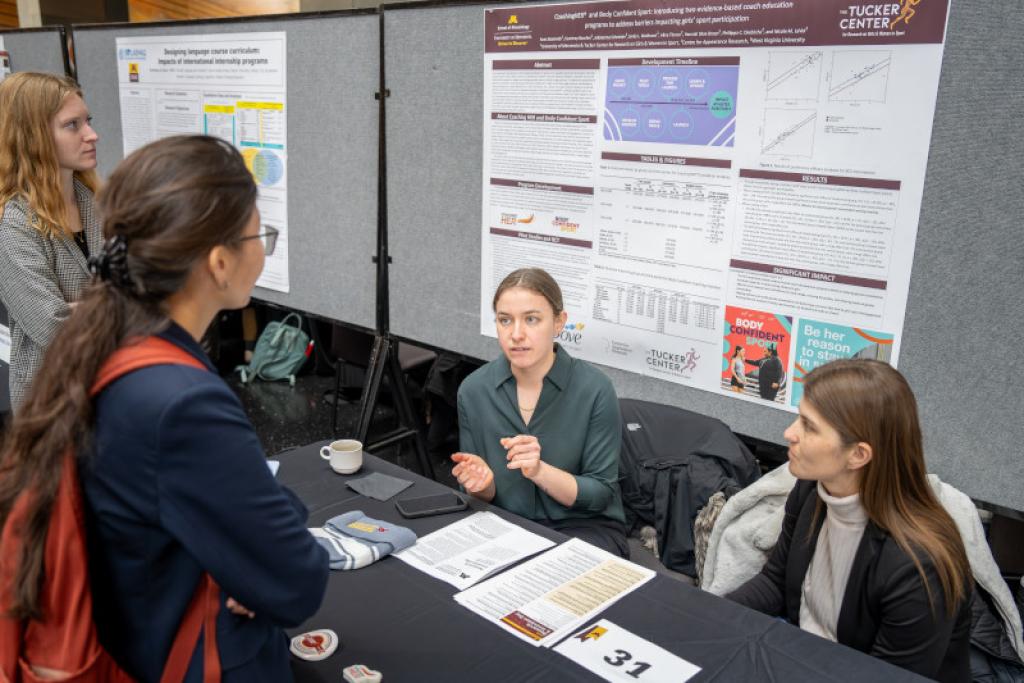
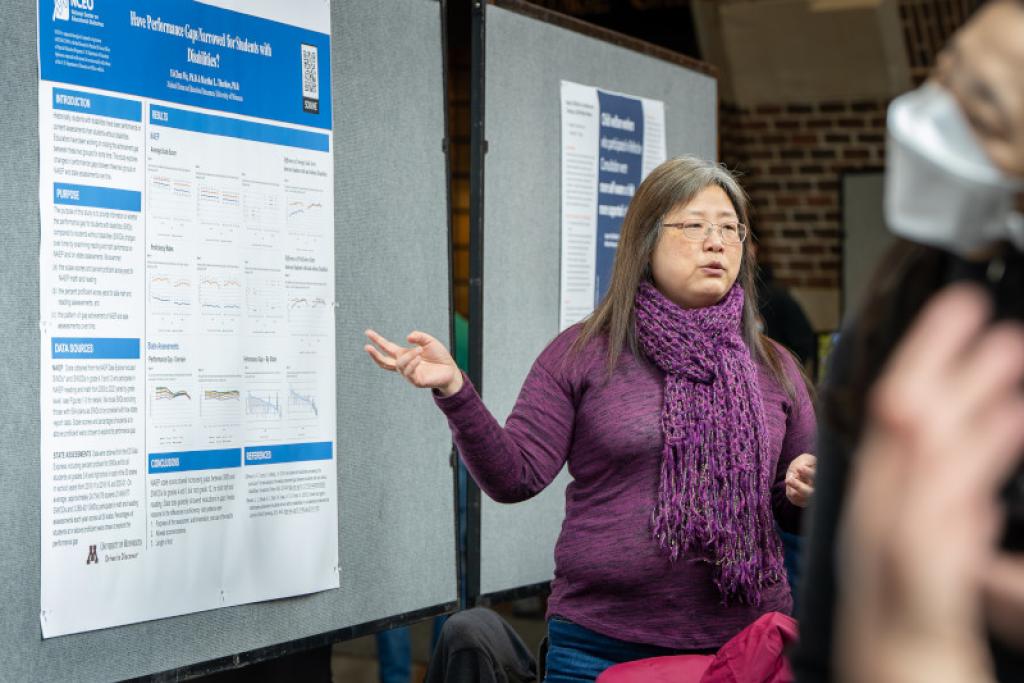


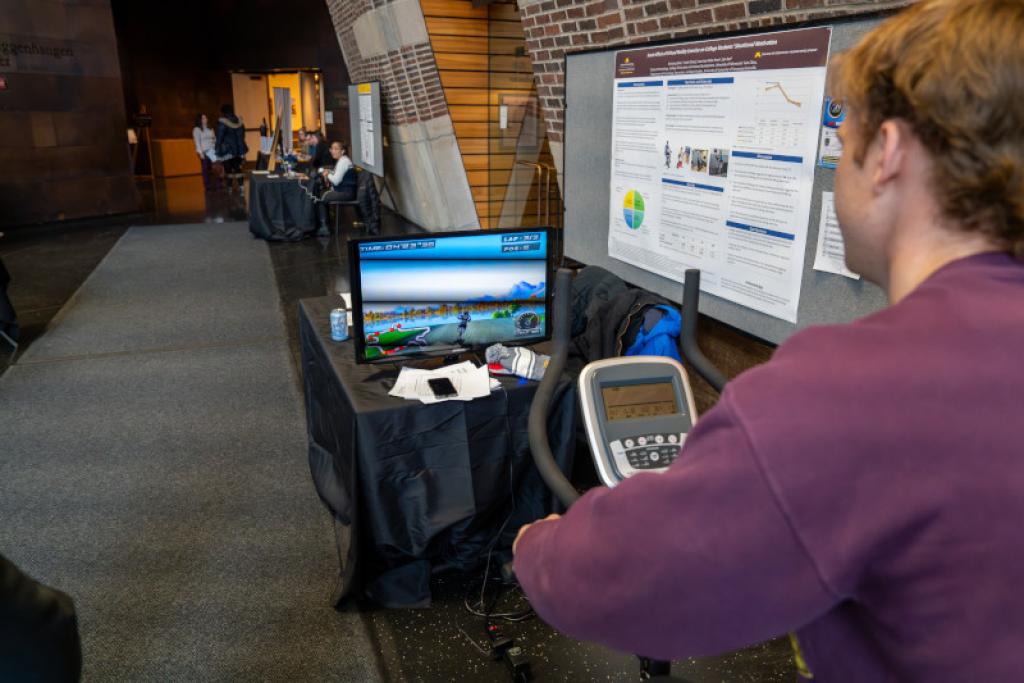

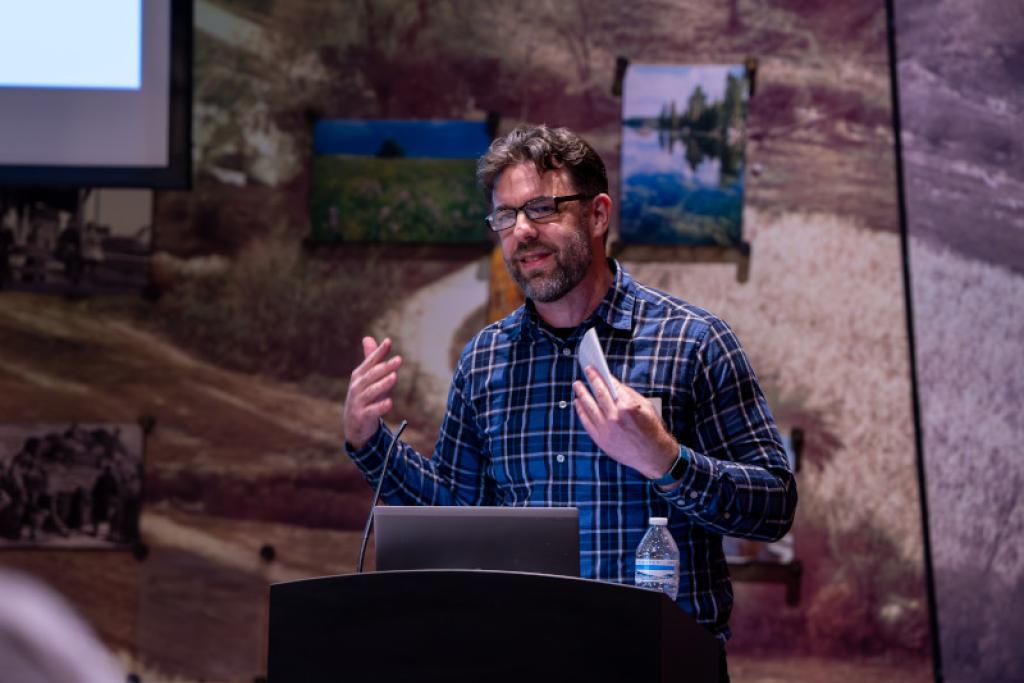

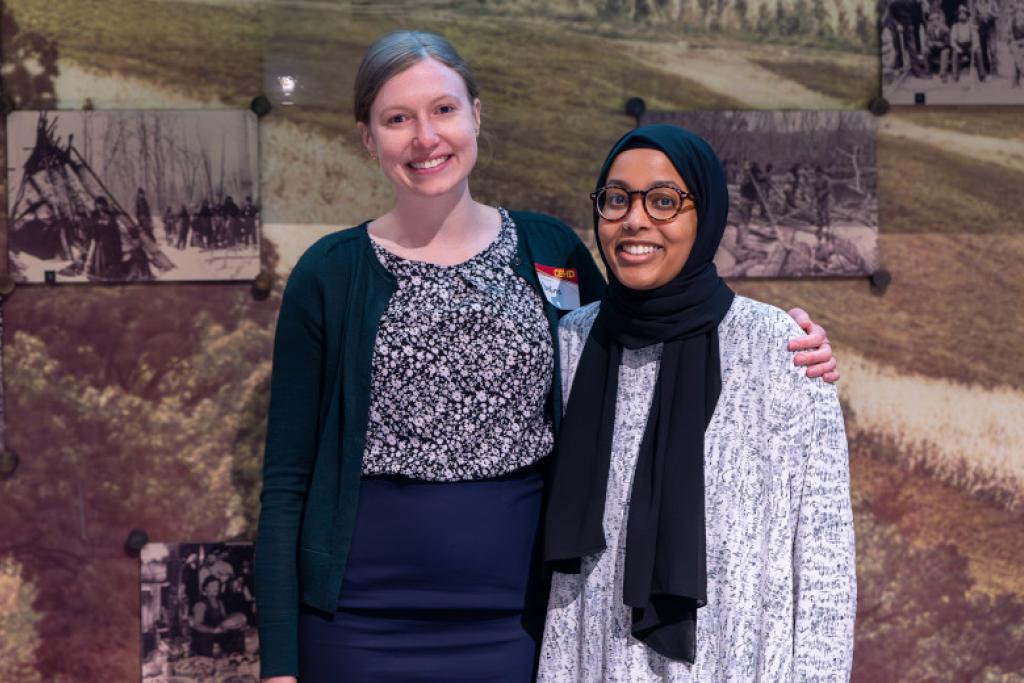
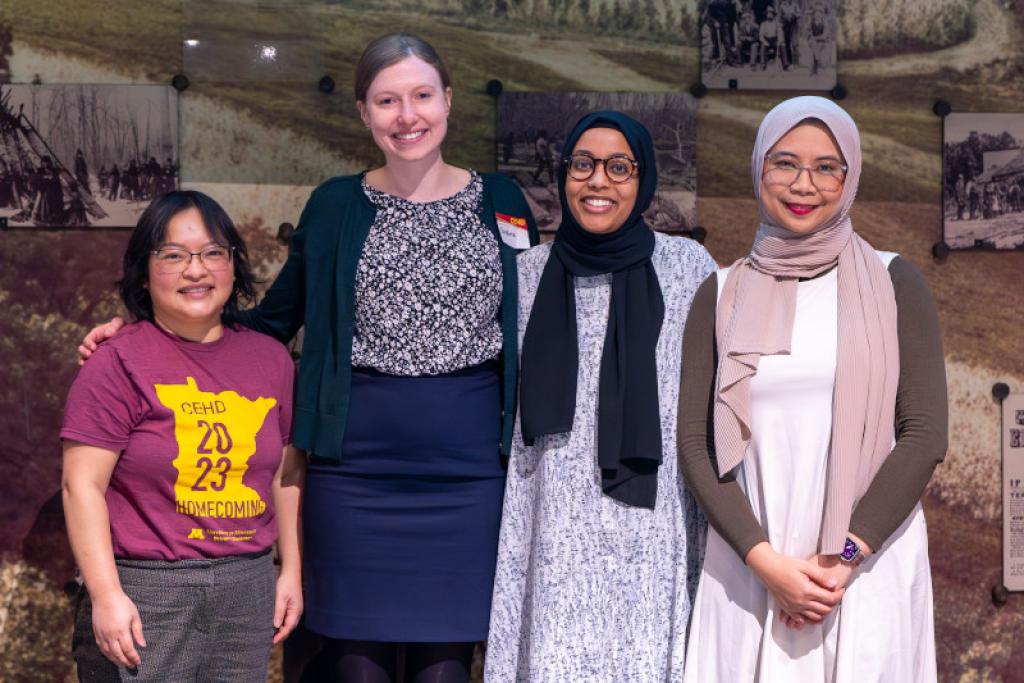
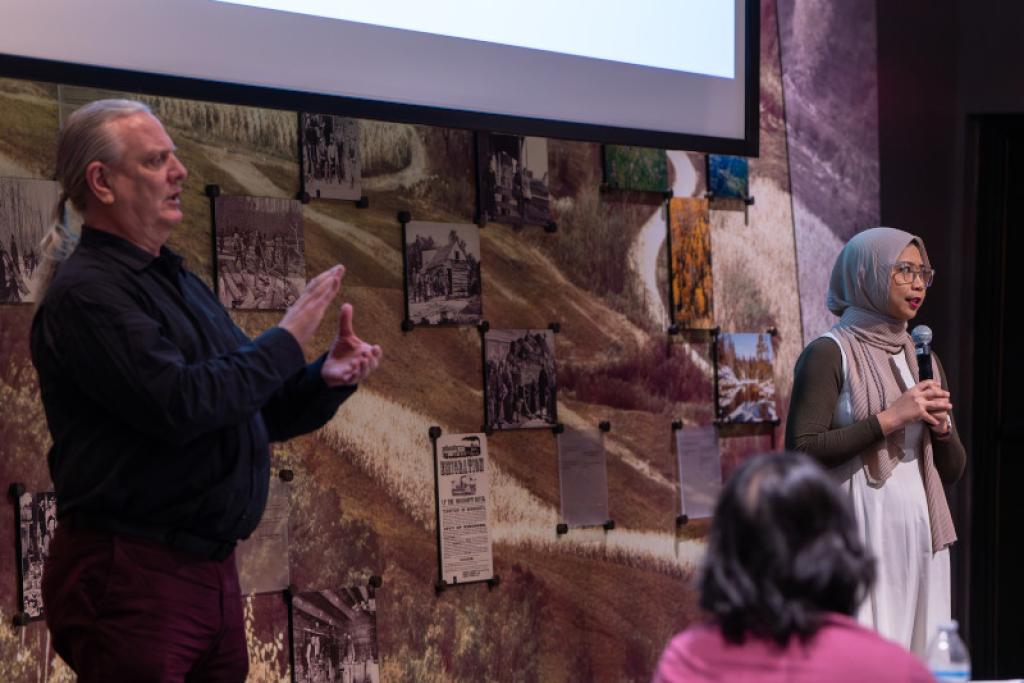






























Photos by Jairus Davis.
2026 Research & Innovation Day posters
Author(s): A. Rombalski, A. Abdirahman, J. Greene, E. Hudson, N. Kununga, and A. Mulawarman
Educational institutions are filled with young people, yet few schools have structures for engaging youth in the systematic review of data with adults for school change. One local district has completed six summers of a Youth Data Analyst (YDA) Intern program, embedded within both its district strategic and school improvement plans.
Drawing from the lived experiences of YDA alumni, this study examines what schools might learn from youth testimonies about their experience during and after their participation. Inspired by Ernest Morrell’s (2008) “Six Summers of YPAR” we ask: How did these young people gain agency, and how have they continued to act as powerful, knowledgeable agents beyond the program?
This ethnographically-informed study traces YDA artifacts alongside research memos, recordings of presentations, and alumni interviews. Initial findings highlight the importance of scaffolding unfamiliar experiences through relational trust, action research, and honoring students’ cultural identities. Learning how interns--even from prior years--contributed to real change within their schools gave a greater sense of purpose and agency. Implications demand that this type of learning does not need to exist only in a summer program; youth-centered, inquiry-based, culturally relevant, humanizing pedagogies can make their way into more classrooms. The results transform our schools and communities.
Author(s): Abigail Sheila Morara, Elliot Breazile, Briana Joseph, Chandima Herath Mudiyanselage, Eric Pothen, and Lindsey Weiler
Youth mental health is a growing concern across the United States and in Minnesota, where 29% of students have reported long-term mental health problems (MN Student Survey, 2023). This crisis underscores the need for innovative solutions.
In response, the Mental Health Ambassador (MHA) Program has been addressing this challenge by training both youth and adults through a mentorship model. Having served seven counties and trained 26 youth (ages 14-18) and adults thus far, MHA equips participants with knowledge and resources to support youth mental health. The program consists of eight sessions, including lessons on Youth Mental Health First Aid, suicide prevention, trauma/ACEs, and time for participants to plan and initiate a youth-led Advocacy Project to target mental health in their communities.
The impact of the program was assessed using a mixed-methods open trial design, where participants completed pre- and post-program surveys, regular check-ins, and engaged in focus groups afterward. Throughout the course, participants reported enhanced comfort and confidence in discussing mental health issues and increased dissemination of mental health resources among youth and others.
The MHA program consistently demonstrates its promise in transforming participants into community resources, helping to bridge the gap between mental health needs and actionable support.
Author(s): Aleksandr Onchanu, Cailin Longtin, Colin Drexler, Brooke Bjerke, Yunhao Zhang, and Philip Zelazo
Children’s theory of mind (ToM) is typically measured with either the sally ann false belief task (Cohen, 1985) or the Theory of Mind (ToM) Task Scale (Wellman & Liu, 2004). These measures have been able to gather a wealth of data regarding developmental progressions in ToM. However, they have been critiqued for failures in replication and validity, and inability to withstand modest task modifications, (Gernsbacher and Yergeau 2019), (Baratgin et al., 2020).
In the present study, we aimed to investigate the relationship between children’s executive function, theory of mind abilities, and child initiated communicative repair. We worked to identify the developmental trajectories of these social and cognitive abilities, during three games of “I Spy.” We developed and piloted a series of play based assessments for measuring ToM, and present 3 novel assessments: the I See Tasks (ICT), Understanding mental attitudes and perspectives (ICT-UMAP) , Child Initiated see task (ICT-I), and Child Responding see task, ICT-R.
A total of 61 children between the ages of 3-7 were tested on executive function, social understanding, true and false belief, Intentionality detection, ToM and competency in initiating communication repair. When controlling for age our results found significant relationships across multiple measures: with executive functioning having a significant relationship on children's ToM scores and true belief tasks. Parents reported social function (CSUS) was significantly correlated with children's ToM scores and communication repair competency, and lastly the most robust relationship our study found was communication repair competency being related to: ToM scores, intentionality detection, executive function and CSUS scores. The results suggest that child initiated communicative repair plays a vital role in the development of children’s social and cognitive abilities in early childhood.
Author(s): Alyssa Meuwissen, Ann Bailey, Mary McEathron, Meredith Reese, Ayah Phuly, and Jonathan Borowski
Researchers at the University of Minnesota’s Center for Early Education and Development and Department of Applied Economics are collaborating on a project funded by the US Office of Planning, Research, and Evaluation to examine how Child Care Assistance Program (CCAP) policies and practices impact child care providers and families. The project crosses the disciplines of child development and economics, collecting and analyzing quantitative and qualitative data to support a rigorous and comprehensive study. This poster will showcase the methodologies used - how economic analyses of administrative data is being triangulated with data from surveys and in-depth interviews of child care providers to generate a better understanding of how to support providers and families in participating in CCAP in Minnesota.
Author(s): Anisa Hagi-Mohamed
Wellness Wednesdays is a community-led initiative developed through a collaboration between Maangaar Voices, Let’s Talk Healing, and Bridge & Bloom to support families navigating disability. Originally launched in November 2024 as a support space for women connected to the disability community, the program has grown into a weekly virtual gathering that integrates peer support, interdisciplinary learning, and culturally grounded dialogue. Sessions bring together mothers, siblings, educators, providers, and community leaders to share lived experiences, discuss systems of care, and build collective knowledge.
Since August 2025, this work has also been informed by the author's (Anisa Hagi-Mohamed) participation as a fellow in the University of Minnesota’s Leadership Education in Neurodevelopmental and Related Disabilities (LEND) program and Partners in Policymaking Fellowship (Class 43). Through this fellowship, additional resources—including Act Early materials, neurodevelopmental education, and Maternal and Child Health (MCH) leadership competencies—have influenced content and discussions. This has strengthened the program’s educational component while maintaining its community-centered approach.
Wellness Wednesdays continues to evolve as a collaborative model that bridges professional knowledge and lived experience, demonstrating how culturally responsive, community-driven spaces can support families while fostering leadership, learning, and connection within the disability community.
Author(s): Ariya Chaubey and MJ Shim
Generative Artificial Intelligence (AI) is driving a significant transformation of the workforce, reshaping industries through automation, enhanced decision-making, and improved efficiency. In response to this technological shift, however, organizations often rely on employees’ self-directed AI learning, which may not adequately meet formal training and development (T&D) needs. Therefore, this review focuses on practitioner journal publications to understand how current T&D initiatives are structured and delivered to employees, as well as what recommendations are proposed. We examined 79 articles published in Harvard Business Review, Forbes, Time, and MIT Technology Review using a systematic literature review approach. After screening, 60 articles were analyzed to identify current trends in AI-related T&D programs and their implications. Regarding current practices, most T&D initiatives consist of one-time training sessions focused primarily on skill development. There are also emerging initiatives aimed at improving equitable access to generative AI training through organizational T&D efforts. In addition to these practices, we identified recommendations for future AI T&D, including 1) providing continuous rather than one-time training with an emphasis on reskilling and upskilling, 2) developing programs that strengthen employees’ critical thinking regarding AI usage, 3) offering AI-focused T&D programs for managerial levels to build leadership capabilities, 4) customizing AI training according to job characteristics rather than applying uniform programs across all positions, and 5) promoting equitable access to generative AI training across the broader workforce rather than limiting it to specific work groups.
Author(s): Caroline Roberts, Laura Chubb, Courtney Ginestra, Alyssa Merbler, Breanne Byiers, Erin Farquhar, and Julie Eisengart
UBE2A syndrome is an ultra-rare genetic syndrome associated with intellectual and developmental disabilities and medical complexities. First identified in 2006, research on the syndrome consists of clinical case studies and inquiries into the genetic mechanism. We have partnered with the UBE2A Foundation and caregivers from around the world to conduct a first-of-its-kind study of the lived experience of UBE2A syndrome. We use a sequential exploratory mixed method design to 1. identify community research and treatment priorities and 2. define the clinical and behavioral phenotype of the syndrome. In this presentation we will share results from Phase 2 of the study.
Author(s): Chalandra M. Bryant, Doneila L Mcintosh, and Kadija S. Mussa
We focus on a relatively new concept that Pauline Boss (Professor Emeritus of Family Social Science and pioneer of ambiguous loss theory) refers to as personal ambiguous loss. Personal ambiguous loss is largely unfamiliar to most researchers. Sometimes people lose something that impacts their relationship to themselves – making them feel as though they are no longer who they once were, either psychologically or physically. An internally caused example of a physical loss would be athletes suffering from cancer losing the use of limbs, and no longer seeing themselves as adept or strong. An internally caused example of psychological loss would be talented actors experiencing dementia and losing the ability to memorize lines in a script -- and are cognizant of this change (Boss, 2022, p. 13). In our work, we address changes that can be caused by chronic discrimination. We therefore propose a parsimonious framework outlining a potential process by which experiences of discrimination are linked to personal ambiguous loss, disenfranchised grief, and prolonged grief.
Author(s): Chandima D.K.P Herath Mudiyanselage, Lindsey M Weiler, Reagan Miller-Chagnon, Shelley A. Haddock, and Toni Zimmerman
Adverse family dynamics increase youth vulnerability to internalizing mental health problems such as anxiety and depression. Although, internal and external developmental assets are known to support positive youth mental health, their buffering role in the association between adverse family dynamics and youth internalizing symptoms remains underexamined. Guided by Family Systems Theory, this study addresses this gap using data collected from 662 youth aged 10-19 (M=14.16; 40.7% female) and their parents/guardians. Hierarchical multiple regression analyses examined the main effects of adverse family dynamics on youth internalizing mental health outcomes and tested whether internal and external developmental assets moderated these associations. Across models, adverse family dynamics were consistently associated with higher levels of internalizing symptoms. Internal developmental assets were associated with fewer mental health symptoms among youth. Notably, external developmental assets significantly buffered the impact of adverse family dynamics on depressive symptoms, highlighting the protective role of supportive relationships, structured opportunities, and community support in mitigating family-related stress. Overall, findings underscore the critical role of the family environment in youth mental health and emphasize the importance of strengthening internal competencies alongside targeted external supports. This study offers important implications for clinical practice, prevention science, and future research aimed at promoting youth resilience.
Author(s): Charles Tyson, Adam Suomala, and Joseph Gaugler
Minnesota’s population is aging and becoming more diverse, heightening the need for aging service providers to map community assets, service gaps, and unmet needs. In this context, the Minnesota Leadership Council on Aging (MNLCOA) is advancing aging equity for diverse communities, including LGBTQ+ older adults. For Black transgender (trans) women, later life is often a hard-won outcome of surviving cumulative, intersecting structural harms across the life course; guided by “We Age Because We Survive,” this project frames aging as a lived accomplishment shaped by safety and belonging amid anti-Black transmisogyny, economic exclusion, housing precarity, and healthcare gatekeeping. “Violence” refers to this broader ecosystem of harm while centering intimate partner violence (IPV) as a key leverage point for systems change. IPV can compound over time through control, isolation, and material dependence—undermining health, stability, and long-term wellbeing. Kinship networks and chosen family are vital infrastructures of care, yet aging and IPV responses remain siloed and inconsistently safe for trans survivors. This poster proposes a three-phase, modified Community-Based Participatory Action Research (CBPAR) study with MNLCOA to co-produce strategies and deliverables that strengthen belonging, reduce violence, and support kinship across the life course for Black trans women in Minnesota.
Author(s): Isabel Ricke, Ruby Nguyen, Jennifer Hall-Lande, Amy Esler, Libby Hallas, Chris Rogers, Krista Stokes, and Lexi Koller
This poster presents results from the Centers for Disease Control and Prevention (CDC)-funded Minnesota-Autism and Developmental Disabilities Monitoring Network (MN-ADDM) project. MN-ADDM monitors the prevalence of autism spectrum disorder (ASD) in children within portions of Anoka, Hennepin, and Ramsey counties in Minnesota. Early identification can improve outcomes for children with ASD, so understanding pathways to identification, as well as what the broad picture of ASD looks like in Minnesota, are important in informing public health policy in the hopes of better serving children in all Minnesota communities.
Author(s): Courtney Ginestra, Grace Boutouli, Lizbeth Finestack, Miriam Kornelis, and Breanne Byiers
Introduction: The Communication Complexity Scale (CCS) has demonstrated high validity in describing presymbolic communicative behavior in individuals with intellectual and developmental disabilities (IDDs) during highly-structured interactions. The purpose of this study was to analyze validity of the Expanded Communication Complexity Scale for Unstructured Observations (ECCS-U) when applied to a communicatively-diverse sample of parent-child dyads engaging in free play. Method: Eighty-one children between ages 20 and 82 months (M=49) were coded with the ECCS-U using a 15-second partial interval system. Correlations between mean ECCS-U scores and scores on the Neurodevelopmental Parent Report for Outcome Monitoring (ND-PROM) communication subscales were analyzed. Results: ECCS-U mean scores ranged from 0.05 to 16.15 (M=6.58), and total communication scores on the ND-PROM ranged from 3 to 117 (M=50.90). The correlation between ECCS-U mean scores and ND-PROM total scores was .763 (p=<.001). Discussion: These results indicate a strong correlation between ECCS-U scores and ND-PROM scores, providing evidence of validity for the ECCS-U. Further research with more diverse samples in terms of participant age and relationship to communication partner(s), as well as alternative sources of standardized communication scores, is needed to strengthen the validity of this scale.
Author(s): Daniel Craighead, Favian Morales, Emma Tobias, Sophie Sannes-Eckhoff, Olivia Ruhland, Sean Killip, Chris Lundstrum, and Antonio Leija
While beta-alanine supplementation has demonstrated ergogenic effects during high-intensity exercise lasting 1-10 minutes, its impact on longer endurance performance (>30 minutes) remains understudied. Therefore, the purpose of this double-blind, randomized, placebo-controlled trial was to examine the effects of beta-alanine supplementation (6.4g/day) on physiological responses during a 30-minute incremental treadmill test in trained runners. Sixteen competitive runners (4 female; beta-alanine=10, placebo= 6; VO2max 52.6 ± 6.5 mL/kg/min) with a recent 10 km time of 35-45 min completed the study. Participants completed a VO2max test and a 30-minute incremental treadmill trial at baseline. The treadmill trial was repeated following 4-6 weeks of beta-alanine or placebo (maltodextrin) supplementation. The treadmill protocol consisted of six 5-minute stages progressing from 75% to 100% of 10-km race pace. Blood lactate, heart rate (HR), oxygen consumption (VO2), and respiratory exchange ratio (RER) were measured at each stage. Lactate, HR, VO2, and RER increased across stages as intensity rose (all p < .001), with no Group x Time effects (all p > .05). These findings suggest 4-6 weeks of beta-alanine supplementation does not improve endurance exercise performance in trained runners.
Author(s): Alyssa Parr and Mengchen Su
Minnesota has two of the oldest and most comprehensive state longitudinal data systems in the United States--the Early Childhood Longitudinal Data System (ECLDS) and the Statewide Longitudinal Education Data System (SLEDS). Together, the two systems, ECLDS and SLEDS, form a P-20W data system, which captures, analyzes, and uses student data from preschool to high school, college, and the workforce. These resources are underutilized and can offer insight into a broad range of research and evaluation questions relating to education and other state policies and programs. Our poster will feature examples of our own research leveraging SLEDS data to understand teacher recruitment, retention, and career pathways to teaching, including differences across Black, Brown, and Indigenous and white teachers. Additionally, we will spotlight how, as ECLDS/SLEDS Network Coaches, we support users in accessing these resources at no cost. Come chat with us about how ECLDS and/or SLEDS may connect with your work!
Author(s): Drew Starr
Background: Youth mentoring programs are widely used to promote positive development, yet questions remain about what aspects of the mentoring relationship are most strongly associated with youth outcomes. Research on racial match between mentors and mentees has yielded mixed or null findings, whereas relationship quality is more consistently associated with positive youth outcomes.
Methods: Thirty-two mentor-mentee dyads from community-based mentoring programs in Minnesota completed a video-recorded speech preparation task. Youth reported relationship quality using the Mentor Alliance Scale. Trained coders rated youth task engagement, adaptive support seeking, and support acceptance. Dyads were coded as same-race if they shared at least one racial category. Independent samples t-tests compared same-race and cross-race dyads; Pearson correlations examined associations between relationship quality and youth outcomes.
Results: Racial match was not significantly associated with youth engagement, support seeking, or support acceptance (all p > .05, d = .21–.30). Youth-reported relationship quality was significantly associated with task engagement (r = .69, p < .01) and adaptive support seeking (r = .53, p < .01), but not support acceptance (r = .27, ns).
Conclusion: Relationship quality showed stronger associations with youth outcomes than racial match, suggesting mentoring programs may benefit from prioritizing relationship-building over demographic matching. However, same-race matches in this sample were predominantly White mentor-White youth pairs, limiting generalizability to the experiences of racially minoritized youth. Future research should examine same-race matching effects in more diverse samples and explore how mentors can be trained to build strong relationships across racial backgrounds.
Author(s): Elin Amundson
This project examines discourses surrounding unionization in social work between the 1930s and 1950s, a critical period when debates about collective organizing shaped the profession's trajectory and its relationship to broader social movements. Through thematic analysis of archival material from social work professional journals (Social Work Today, The Family) and organizational records from leading professional associations, this study identifies three distinct discursive communities: professional leaders, agency executives, and rank-and-file workers, and compares how they framed unionization in social work. The analysis reveals significant ideological debates regarding professionalism, class identity, and social work's relationship to structural inequality. While professional leaders questioned whether collective organizing aligned with the profession's values and agency executives framed concerns around nonprofit mission and funding structures, rank-and-file workers consistently advocated for alignment with the broader labor movement. Larger systemic forces—including anti-communist political backlash and intensifying professionalization projects—also influenced each discursive community in different ways. These findings challenge dominant narratives of consensus-based professional identity, demonstrating that collectivist alternatives for professional social work were actively debated rather than absent or ignored within the field. This history offers social work a critical resource for questioning naturalized assumptions about professional identity by recognizing longstanding traditions of resistance from within the field.
Author(s): Emily Unholz-Bowden; Renáta Tichá
Work-based learning experiences (WBLEs) are associated with improved employment outcomes and access to competitive integrated employment (CIE) for transition-aged youth with intellectual and developmental disabilities (IDD). However, much of the empirical literature describing WBLE characteristics is outdated, limiting understanding of how current practices align with policy and evidence-based transition services. This study provides updated data on WBLE opportunities available to students with IDD in Minnesota and Utah during the 2025–2026 school year. Research questions examined the settings in which WBLEs occurred, occupational categories represented, and the extent to which students were paid. Using a multiple case study design, data were collected from eight transition programs across urban, suburban, and rural contexts through questionnaires completed by work-based learning coordinators. Descriptive analyses identified trends within and across states. The most common WBLE occupational categories in both states were building and grounds maintenance, transportation and material moving, and food preparation and serving. Most placements occurred in private businesses and nonprofit organizations. Compensation varied widely: Utah programs were typically entirely paid or unpaid, whereas Minnesota programs included a mix of paid and unpaid placements. Findings highlight a need for work-based learning opportunities to better match the demands of the current job market.
Author(s): Gillian Roehrig and Michelle Allen
The overall goal of this project is to strengthen science education in Saint Paul Public Schools by developing secondary science teacher leaders. Professional learning has centered on the implementation of new NGSS-aligned curriculum using the five-dimensional (5D) vision for science learning that makes explicit student interest and identity as co-equal dimensions with the disciplinary core ideas, science/engineering practices, and cross-cutting concepts for supporting meaningful and equitable learning opportunities for all students (Lo et al, 2022).
Lieberman and Freidrich (2010) extensively examined the research literature regarding teacher leadership and developed four key dimensions that inform the development of leadership: teacher professional identity, community, productive use of conflict, and practice. These four dimensions were used to explore teachers’ developing leadership capacity supported through the 5D vision.
This poster will share results from the first year of the project as teachers’ started to develop their leadership capacity leading to positive impacts on learning for all students and the skills to provide professional learning at local, state, and national levels.
Author(s): Jenaya Gerrard
Motor impairments in children with developmental coordination disorder (DCD) may stem from perceptual-motor deficits. However, there is limited research investigating how children with DCD perceive affordances during goal-directed actions. This study compared affordance perception between adolescents with DCD and typically developing (TD) peers during a virtual-reality ball-catching task. Participants aged 11-17 years completed the Movement Assessment Battery for Children-third edition (MABC-3), a motor assessment that measures manual dexterity, aiming and catching, and balance and locomotion skills. Children scoring at or below the 15th percentile were classified as DCD, while those scoring above the 16th percentile were classified as TD. After this assessment, participants performed a head-mounted display-based catching task with systematically manipulated ball trajectories and their hand action choices were recorded and analyzed. Both groups demonstrated similar affordance perception for balls presented at or below eye-level. In contrast, when balls were released above the head, TD children more frequently selected a unimanual catching strategy than children with DCD. These results indicate that children with DCD may experience difficulty perceiving action possibilities under higher perceptual-motor demands, highlighting a potential perceptual mechanism underlying their motor challenges.
Author(s): Jennifer Hall-Lande, Libby Hallas
The purpose of this study was to explore disparities in autism prevalence and autism with co-occurring intellectual disability in children from immigrant communities. This study used data from the Minnesota site of the Centers for Disease Control and Prevention’s (CDC) Autism and Developmental Disabilities Monitoring Network to compare autism prevalence and autism with co-occurring intellectual disability in 8-year-olds, with a focus on Hmong and Somali children.
Data were gathered via a systematic review of educational and health records within a defined geographic area. Data from surveillance years 2014 and 2016 were combined to attain an adequate sample size to compare prevalence and the co-occurrence of intellectual disability across race/ethnic groups.
This study found that Somali children had higher rates of autism compared to Hispanic, Hmong, and non-Hmong Asian children. Hmong children had a significantly lower rate of autism compared to White and non-Black Somali children. There were significant differences across race/ethnicity in the co-occurrence of intellectual disability.
Identifying subgroups of children with higher prevalence of autism or greater co-occurring ID can inform public health policy and improve outcomes for people with autism and their families, and may identify barriers to service utilization.
Author(s): Jing Luo, Zack Carpenter, Galyna Arabadzhy, George Veletsianos
While faculty interest in Generative AI (GenAI) has grown rapidly, empirical understanding of its actual integration into academia remains fragmented. Existing literature tends to focus on general usage patterns, while faculty’s specific applications and adoption drivers vary by discipline are still underexplored. To address these gaps, this project investigates the adoption and perception of GenAI among faculty in the U.S. Research-Intensive (R1) universities.
We utilize a large-scale survey to investigate faculty engagement with GenAI across two core domains: teaching and research. By employing stratified sampling, we intend to achieve a broader representation across diverse disciplines and career stages. Through descriptive and inferential statistical analysis (e.g., means, standard deviations, regression models, t-tests) of primarily Likert-scale survey responses, this research aims to reveal current usage patterns in teaching and research workflows, perceived benefits and concerns, and the factors influencing adoption, which will provide implications for institutional policy-making and the future transformation of higher education.
Author(s): Jodi Dworkin, Celia Lee, Elizabeth Hruska
We investigated what methods and platforms adults use for learning and what features make them most helpful, trustworthy, engaging and effective for learning on specific topics that support family development. Participants completed a 5-7 minute online survey, reporting the topics they seek information on, how they currently receive and want to receive that information, and the features of that method/platform/tool that facilitate learning and increase trustworthiness.
Participants were recruited online via Prolific (n=1,291) and during four days at the Minnesota State Fair (1,307) - 56% female, 17.4% Asian, 5.3% Latino, and 13.7% Black. Participants had to be at least 18-years-old and English-speaking.
In this presentation, we focus on mental health (n=817), and parenting (n=542), two of the most frequently identified topics. Adults wanted to receive information on these topics in more ways than they currently did. Easy-to-read text (75.5%) and images/graphics (71.2%) were deemed most helpful and recommendations from professionals (69.8%), university sources (55.8%), and family/friends (49.7%), were deemed most trustworthy. Demographic differences in these findings will be discussed. Understanding which delivery methods are more likely to be perceived as useful allows educators to tailor delivery of educational content for knowledge and behavior change to specific audiences.
Author(s): Justin M. H. Salisbury, MEd, NOMC, NCRTB
In the year 2026, undergraduate students are working to make sense of current events. Many histories have been suppressed in American curricula, but teaching the histories of Nordic fraternal organizations in the Upper Midwest may offer valuable insight and hope for undergraduate students in the region. The German American Bund was/is a fascist organization in the United States that aimed to bring the United States into a global constellation of the Nazi movement during World War II. Their slogan was “Make America Great.” After intervention by the federal government, the Bund was formally disassembled and reassembled as the America First Committee, which was a national political party whose Presidential candidate would be Charles Lindbergh. When the United States entered World War II in 1941, the movement was forced underground, where it has lingered until the present day, often fueling other fascist efforts. The Sons of Norway and Sons of Sweden were other fraternal organizations, albeit with less confrontational branding. These fraternal organizations segregated membership, leading to racist power-hoarding and supporting oppressive political agendas. This session will explore ways of teaching these histories in the college classroom to promote grounded optimism for a better future.
Author(s): Kait Macheledt and Joseph Merighi
Background: Rural Minnesotans face multiple barriers to health care access. Medical social workers are well-positioned to support the complex biopsychosocial needs of patients; however, there is little research on medical social work practice in rural settings.
Methods: Rural hospitals in Minnesota (N=84) were identified using publicly available lists. Facility websites were reviewed using a systematic three-step process. All facilities were then called at least twice to confirm the presence of medical social workers on staff.
Results: In Minnesota, approximately 7% (N=8) of rural hospitals listed “social”, “social work,” or “social services” on their website. Based on phone call confirmations, only 53% (N=44) affirmed they had at least one medical social worker on staff and 16% (N=13) confirmed they did not have any. The remainder (N=26) facilities could not confirm either way.
Conclusion: The limited public-facing visibility of social work and social work services in rural hospitals fosters a nestled infrastructure limiting social work as a standalone health care specialty. It also contributes to a lack of understanding and misunderstanding of the medical social worker’s role and responsibilities. These findings underscore the need for health care systems to be intentional about promoting social work on organizational websites.
Author(s): Katharine Alsop and Stacy Lawrence
Children with complex neurodevelopmental and mental health needs in Minnesota navigate a fragmented landscape across 12 distinct service systems, including child welfare, education, and juvenile justice. This project provides a descriptive systems-mapping analysis to examine how diagnostic interpretation and system design shape youth trajectories at critical crisis points, such as hospital boarding, hotel-based crisis respite, and placement disruptions.
As a collaboration between the MNLEND Fellowship and the Minnesota Department of Children, Youth, and Families (DCYF), this work serves as a proof-of-concept for a phased mapping methodology. The current effort (Phases 0–1) focuses on identifying the gap between intended statutory pathways and current operational realities. By utilizing practitioner-informed knowledge and a "Blueprint for Coordination" framework, the project maps six levels of service intensity to make "invisible" system behavior visible to policymakers. This foundational mapping identifies high-leverage coordination failure points and establishes the shared language necessary for future participatory co-design. Ultimately, this descriptive analysis supports the implementation of the Minnesota Statewide Strategic Plan for Children’s Mental Health by providing the evidentiary base needed to reduce preventable harm and improve long-term outcomes for the state's most vulnerable youth. View the poster
Author(s): Lalinne Suon Bell
Culturally Restorative Pedagogy—Resistance, Reparation, Reclamation (CRP-RRR) reframes education as a human-rights practice that addresses cultural erasure and historical rupture. Developed through triangulated autoethnography, this framework emerges from the author’s lived experience as a Cambodian-born survivor of genocide, witnessed educational interactions, and interdisciplinary scholarship in culturally relevant pedagogy, disability justice, and human rights. While Culturally Relevant Pedagogy emphasizes relevance and affirmation, CRP-RRR advances a restorative orientation that responds to harm. Through reflective analysis of returning to Cambodia after decades in exile, this study examines how genocide fractures cultural memory and how pedagogy can function as creative resistance. Findings reveal parallel patterns of deficit framing across post-genocide and disability contexts, underscoring the need for educational practices that repair narrative loss, restore dignity, and support reclamation of voice and agency. CRP-RRR positions teaching not merely as inclusion, but as structured cultural restoration grounded in justice.
Author(s): Leah Dolezal
Language deprivation is a prevalent condition that varies between Deaf/Hard of Hearing individuals and may affect multiple aspects of life, such as social, emotional, physical, and mental well-being (e.g.Gulati, 2019; Hall, 2017; Hall et al., 2017). As such, the consequences of language deprivation may impact how Deaf people develop their identities. There is a paucity of research on the extent language ability impacts identity development for Deaf people. This leads to two research questions: 1) What does the existing research say about Deaf role models, Deaf identity development, and how language acquisition influences this? And 2) How does intersectionality as an extra layer to identity development factor into this?
An electronic literature reviewed research including “Deaf” role models, language access, identity development and intersectionality. Guided by Social Capital Framework (Putnam, 2000), findings suggest that Deaf role models may be critical for Deaf children's identity development (Byatt et al., 2019, Cawthon et al., 2016, Chapple et al., 2019) and may intersect with language development.
While the three areas of language deprivation, identity development, and role models have been independently examined, gaps still persist in understanding the intersections of these areas and the role language plays (e.g. age of language acquisition with Deaf role models) in developing a strong sense of identity. More research is needed to better understand the relationships between language, identity, and intersectionality.
Author(s): Caroline Roberts, BiKé Ojomo, Rebecca Dosch Brown, Jennifer Hall-Lande, Andrew Barnes, Jessica Simacek, and Amy Hewitt
As a robust, interdisciplinary Fellowship program, the Minnesota Leadership Education in Neurodevelopmental Disabilities (MNLEND) at the University of Minnesota is focused on developing the next generation of leaders in practice, policy, and research related to neurodevelopmental disabilities. The MNLEND program is focused on the themes of promoting the health and well-being of children, adolescents, and young adults who have, or are at risk of developing autism spectrum disorder (ASD) or other neurodevelopmental and other related disabilities (NDD) and includes graduate (pre- and post-doctoral students) and community-level trainees (e.g., providers, educators, self- and family advocates) from 14+ disciplines across the University. As a component of the Fellowship, education in research on ASD/NDD is embedded throughout the curriculum. Fellows have the opportunity to participate in and develop research activities for their individual project. This poster session highlights research activities stemming from MNLEND Fellows and Faculty from the 2026 cohort.
Author(s): Luan Tuyen Chau, Rakshithaa Selvarathinam, Laura Allen, and Panayiota Kendeou
Artificial intelligence (AI) is increasingly integrated into educational contexts, yet misconceptions about AI remain widespread among teachers, students, and other stakeholders. Addressing these misconceptions is critical for informed and effective use of AI tools. Although traditional refutation texts can promote knowledge revision, they often lack interactivity and personalization. This study investigated whether conversational AI chatbots can more effectively correct AI-related misconceptions. Using a three-stage design, 200 participants first completed baseline measures of AI beliefs (Stage 1). A subset of 120 participants who strongly endorsed misconceptions then interacted with one of three chatbot types: a neutral control chatbot, a simple refutational chatbot, or an empathetic refutational chatbot (Stage 2). Beliefs and confidence were assessed before and after three chatbot conversations, and 76 participants completed an eight-month follow-up (Stage 3). Both refutational chatbots significantly reduced misconceptions immediately after interaction, whereas the control chatbot did not. However, these belief changes were not sustained at follow-up. The findings suggest that chatbot-based refutation can effectively promote short-term belief revision, but lasting change may require repeated engagement or integration into broader instructional support.
Author(s): Manal Ahmed Diqi Zeng
Gender-typed preferences emerge in early childhood and may limit opportunities by steering children toward gender-stereotyped career paths. Such preferences may be shaped by parental socialization. This study examined associations between parental gender socialization attitudes and children's gender-typed preferences. We hypothesized that parents with more egalitarian attitudes would provide more gender-neutral toys to their children and have children with less gender-typed occupational and activity preferences. The sample included 79 families with children aged 7-9 (50.6% female). Parents completed questionnaires assessing gender parenting attitudes and toy provision frequencies; children completed a questionnaire assessing their gender-typing of self in activity and occupational preferences (Liben & Bigler, 2002). Pearson correlation analysis revealed no significant associations between gender parenting attitudes and children's gender-typed occupational (r = -0.044, p = .702) or activity (r = -0.121, p = .288) preferences. Despite that toy provision showed no associations with children’s overall gender typing of self, we found that parental report of feminine toy play positively correlated with gender-typical activity preferences (r= 0.297, p = .008), regardless of child sex. Our findings suggest parental attitudes in gendered parenting practices relate to children’s engagement in stereotypically gender-aligned toys but not to children's activity or occupational preferences at ages 7 to 9.
Author(s): Manjary Guha, Jechun An, Seohyeon Choi, Kristen McMaster, Hyejin Hwang, Susan Slater, and Panayiota Kendeou
Gender-typed preferences emerge in early childhood and may limit opportunities by steering children toward gender-stereotyped career paths. Such preferences may be shaped by parental socialization. This study examined associations between parental gender socialization attitudes and children's gender-typed preferences. We hypothesized that parents with more egalitarian attitudes would provide more gender-neutral toys to their children and have children with less gender-typed occupational and activity preferences. The sample included 79 families with children aged 7-9 (50.6% female). Parents completed questionnaires assessing gender parenting attitudes and toy provision frequencies; children completed a questionnaire assessing their gender-typing of self in activity and occupational preferences (Liben & Bigler, 2002). Pearson correlation analysis revealed no significant associations between gender parenting attitudes and children's gender-typed occupational (r = -0.044, p = .702) or activity (r = -0.121, p = .288) preferences. Despite that toy provision showed no associations with children’s overall gender typing of self, we found that parental report of feminine toy play positively correlated with gender-typical activity preferences (r= 0.297, p = .008), regardless of child sex. Our findings suggest parental attitudes in gendered parenting practices relate to children’s engagement in stereotypically gender-aligned toys but not to children's activity or occupational preferences at ages 7 to 9.
Author(s): Check & Connect – Institute on Community Integration – University of Minnesota
Check & Connect is a comprehensive, evidence-based student engagement intervention designed to promote school completion, build student capacity, and support positive educational outcomes for K–12 students identified as benefiting from additional support. Developed at the University of Minnesota’s Institute on Community Integration, the model targets alterable indicators of engagement, including attendance, behavior, and course performance, through a structured yet personalized mentoring approach. At the core of Check & Connect is a long-term, capacity-building relationship between a trained mentor and student, supported by systematic data monitoring and timely, individualized interventions. Mentors collaborate with educators, families, and community partners to align supports and strengthen home–school connections.
With more than 30 years of research and implementation across diverse settings, Check & Connect has demonstrated improved attendance, increased engagement, lower dropout rates, and higher graduation outcomes, including significant impacts for students with emotional and behavioral disabilities. This poster highlights the core components, implementation structures, and evidence-based outcomes of Check & Connect, emphasizing how persistence, partnership, and problem-solving foster students’ self-regulation, self-advocacy, and long-term academic investment.
Author(s): Brian Abery, Matthew A Roberts, Emily Unholz-Bowden, James Houseworth, and Renata Ticha
This poster describes Phase I of a collaborative evaluation between Special Olympics North America and the University of Minnesota’s Institute on Community Integration examining the impact of the Special Olympics Unified Champion Schools® (UCS) program on students’ social development and school inclusion. We conducted focus groups in seven states with 153 participants, including UCS athletes and partners, parents, and school staff. Data were analyzed using Grounded Theory to build a paradigm model of the program and identify its most critical components.
Participants indicated that UCS promotes belonging, friendship, confidence, and skill development for athletes (youth with intellectual disabilities), while partners (their peers without intellectual disabilities) report growth in empathy, leadership, social awareness, and interest in helping professions. Both groups described shared benefits, including meaningful friendships, increased school engagement, and feeling better prepared for life after high school. Participants also reported broader schoolwide impacts, including improved attitudes toward disability and greater inclusion beyond UCS activities. Study recommendations include expanding inclusive leadership opportunities, broadening activity offerings, strengthening staff support, and enhancing sustainability efforts to increase program reach and long-term impact.
Author(s): Melissa Latcham and Hannah MacDougall
Medical debt remains a persistent and harmful burden in the United States, and nonprofit hospital financial assistance (charity care) is intended to mitigate this risk. However, little is known about how these programs function in practice or the role hospital social workers play in facilitating access. This exploratory qualitative study examined how nonprofit hospital social workers in Minnesota engage with financial assistance processes. Between September 2024 and May 2025, semi-structured interviews were conducted with 18 licensed hospital social workers across 13 nonprofit health systems. Data were analyzed using inductive thematic analysis. Findings indicate that social workers routinely identify patient financial distress but are structurally excluded from charity care navigation, which is typically delegated to financial counselors. Participants described limited policy transparency, role ambiguity, and substantial patient burden when attempting to access assistance. These barriers suggest that eligible patients may miss available aid due to system design rather than lack of need. Strengthening integration between social work and financial assistance processes may improve equitable access and reduce medical debt.
Author(s): Michael Van Wert
Although Motivational Interviewing (MI) has the potential to be useful in a wide range of practice settings and applications, including in child welfare where workers seek to support families around behavioral changes, the question of how to most effectively and efficiently train and evaluate worker MI skill remains. To improve performance, humans typically code a recorded client encounter using structured measures such as the Motivational Interviewing Treatment Integrity Scale or the Behavior Change Counseling Index. To further reduce the cost in time and effort to human coders, artificial intelligence (AI) platforms that evaluate MI performance have been increasingly paired with human trainer feedback and within asynchronous trainings to improve MI skill. Using program evaluation data from a Minnesota-wide pilot training to increase child welfare professionals’ (CWP) MI skill (n = 153), we sought to examine the relationship between human-coded BECCI scores and AI-coded MI proficiency scores. Human-coded BECCI scores and AI-coded proficiency scores were moderately to strongly correlated, including changes in scores from pre to post training, and using Receiver Operating Curve analysis, it was possible to establish meaningful cutoffs between these two coding methods to determine a standard for CWP MI skill proficiency.
Author(s): Paul Schonfeld
This poster shares the development of an Informal Computer Science (CS) Learning Network in Northeast Minnesota and offers strategies for building community-based CS ecosystems that expand access for youth from groups historically marginalized in CS education. The poster highlights how our network in Duluth was formed through partnerships with local organizations, shared leadership, sustainable funding efforts, and a clear mission centered on community culture and interests.
Participants will explore key questions that guided our work: How did we build an Informal CS Learning Network? What steps can others take to start similar networks? What lessons have we learned along the way? Poster sections include a report on informal CS learning in Duluth, examples of community events, current initiatives, and next steps for growth. We also connect our experiences to research-based frameworks and exemplar programs such as STEM Ecosystems, Connected Learning, CS for Detroit, and Digital Youth Network.
Attendees will be invited to discuss a guiding question, review a one-page handout and digital report, and reflect on how these approaches could be adapted to their own communities.
Author(s): P. Tran, L. Hallas, J. Hall-Lande, Y. Wu, and A. Esler
The prevalence of autism has increased substantially in recent decades, contributing to rising public health expenditures. Early identification and intervention are associated with improved developmental outcomes and reduced long-term service costs. Despite these benefits, significant disparities persist in the timing of ASD diagnosis. Although variation in clinical presentation may partially explain delayed identification, accumulating evidence indicates that race and ethnicity also contribute to inequities in diagnostic timing. This study examined associations among diagnostic timing, clinical presentation, and race using data from the Autism and Developmental Disabilities Monitoring (ADDM) Network. Cognitive and adaptive-behavioral measurement scores were compared across three diagnostic timing groups: Recommended (0–36 months), Average (37–60 months), and Late (61+ months). Racial distribution across these timing groups was also evaluated. In addition, interaction effects between clinical measures and race on age at diagnosis were assessed. Group differences in cognitive and behavioral scores were analyzed using analysis of variance and chi-square tests. Generalized linear mixed models were employed to examine interaction effects. Results indicated significant mean differences in cognitive and behavioral assessments across diagnostic timing groups. Furthermore, an interaction effect was found between behavioral assessment scores and race in predicting age at diagnosis. Study limitations and implications for reducing diagnostic disparities are discussed.
Author(s): Priscilla Tetteh, Chandima Dilrukshini Kumari Pe Herath, Monica Aviles-Mercado, and Avelina Rivero Rodriguez.
Body image is a complex construct that is defined differently across cultures and societies. However, due to globalization, Western American beauty standards (e.g., the thin ideal) have largely shaped how individuals define beauty and perceive attractiveness, which has implications for how individuals view and treat themselves and others. Using the sociocultural model as a framework, the current study had two primary aims: to explore Latina eldest daughters’ understandings of body image, and to examine their perceptions of how beauty/attractiveness are defined for women and men. Sixteen Latina eldest daughters (Mage = 22.25, SD = 1.82) from immigrant families participated in qualitative focus groups. Inductive thematic analysis was used to analyze focus group data. Aim one revealed two themes: (1) internalized perceptions of self and (2) perceptions from others shapes how Latinas define body image. Aim two revealed three themes: (1) rigid gender beauty standards, (2) cultural differences, (3) and internalized colorism/eurocentrism influence Latinas’ perceptions of beauty/attractiveness. Our results have implications for the development of culturally relevant interventions centered on addressing the challenges Latina women encounter as they navigate contrasting beauty standards. Further, our findings highlight the importance of families engaging in healthy conversations about body image.
Author(s): Quinn Oteman, Michael Hoffmeister, Kristine Piescher
A stable and well-supported child welfare workforce is critical to ensure children and families are safe and supported, yet workforce turnover remains a persistent challenge in public and tribal child welfare systems. This poster presents findings from the 2025 Minnesota Child Welfare Workforce Stability Study, administered by the Center for Advanced Studies in Child Welfare (CASCW) at the University of Minnesota in partnership with the Minnesota Department of Children, Youth, and Families (DCYF) and the Minnesota Association of County Social Service Administrators (MACSSA). Covering nearly 50 items across five domains, the statewide workforce study was distributed to child welfare caseworkers in all 87 Minnesota counties. Results capture caseworkers’ experiences about job satisfaction, well-being, supervisory support, intent to stay, and workload, offering a thorough basis for analyzing child welfare workforce dynamics.
Author(s): Rachel M. Rineman
African American communities are disproportionately affected by obesity. Few interventions have targeted couple relationships as a way to decrease stress-related eating behaviors despite research suggesting that improvements in couple functioning can help reduce stress (Barton, et al., 2018). We conducted a study examining whether a couples’ intervention would enhance marital functioning and decrease discrimination-related stress and subsequent stress eating behaviors among African American couples. Couples were randomly assigned to one of two interventions (1) viewing relaxing nature scenes using a virtual reality headset or (2) engaging in a self-guided relationship education/enhancement program. Twenty-four couples completed the intervention, and 17 of those couples completed three-month follow-up assessments. Participants were, on average, 42 years old (M = 42.53; SD = 10.53), married, college-educated, and residing in the Northern United States. Findings indicated improvements in relationship warmth, intimacy, and verbal communication. Findings also indicated that participation in the relationship enhancement program was associated with lower levels of discrimination-related stress –suggesting that strengthening relationships may activate protective behaviors in partners which helps reduce stress eating.
Author(s): Ramous Azawornu
Introduction: Autism spectrum disorder (ASD) is a complex neurodevelopmental condition characterized by persistent challenges in social communication and interaction, and the presence of restricted and repetitive behaviors. Sensory integration difficulties are common in children with ASD and may disrupt postural control and functional performance. Yet, the sensory mechanisms that underlie postural control and balance impairments, as well as age-related differences between ASD and typically developing (TD) children have not been adequately documented. This study investigated postural control deficits and age-related differences in children with ASD and TD peers using a virtual reality-based sensory integration balance (VRSIB) assessment.
Methods: Twenty-nine children (12 ASD, 17 TD) with ages ranging between 7-15 years [Mean (SD) = 10.07 (1.81) years], completed the VRSIB assessment under eight sensory conditions. Scores for each condition, total composite equilibrium scores and sensory ratio scores for visual, vestibular and somatosensory systems were recorded. Data were analyzed using Welch’s t tests and repeated measures analyses of covariance.
Results: Children with ASD demonstrated significantly lower vestibular ratio compared to TD children (t (26) = 2.35, p = 0.027). Within the ASD group, sensory weighting preferences declined with age, indicating reduced reliance on vestibular input as children grew older. This age-related trend was not observed in the TD group. No significant group differences emerged in visual ratio, somatosensory ratio, and postural sway measures.
Conclusions: The findings indicate selective vestibular processing challenges in children with ASD and age-related declines in sensory weighting that are not observable in TD peers. These results underscore the need for targeted assessment and intervention strategies to address vestibular deficits and changing sensory needs across development.
Author(s): Rylee Ramberg
Autism spectrum disorder (ASD) is often accompanied by motor impairments such as
atypical gait and poor balance and yet, the specific components of postural control and balance affected in children with ASD remain poorly understood. This study employed a head-mounted display to measure balance performance in children with ASD and children with typical development (TD). Twenty-six children (N=26; 10 ASD, 16 TD: mean age: 10 years, SD: 1.86) completed a virtual-reality-based balance assessment across eight conditions and a motor coordination questionnaire that assessed motor control, fine motor skills and general coordination. Children with ASD showed significantly greater balance and coordination deficits than TD children. These findings extend previous research and support the feasibility of digital posturography for quantifying motor differences in children. This effort highlights the value of quantitative motor assessments for guiding individualized interventions and support services.
Author(s): Sabrina Brown
Clinicians often rely on caregiver pain ratings for children with intellectual and developmental disabilities (IDD) for pain treatment and management. However, little is known about the factors influencing parents’ pain perception in, especially in children with IDD. Emotional dysregulation is common in children with IDD and may influence parents’ perceptions of their children’s pain. The current study examined how children’s emotional dysregulation relates to directly observed pain behaviors and parents’ ratings of their child’s pain during a clinically-indicated blood draw. Parents rated their children’s pain (0 = no pain at all, 10 = worst pain ever) during the procedure and completed an emotion dysregulation scale. Recordings of the blood draw were coded for pain-related behaviors. Data from 112 children were analyzed (mean = 49.1, SD = 19.1). In this sample, EDI-YC subscale scores did not predict parents’ ratings of their child’s pain during a blood draw or the behavioral coding scores before or during the draw. In this sample, parent-reported emotional dysregulation of their child was not related to caregiver or observed pain ratings during a blood draw. Future research will explore the potential influence of other variables such as adaptive behavior functioning, venipuncture history, and pain history.
Author(s): Sam Choo, Mari Quanbeck, & Jechun An
There has been a large gap between what students do for fun and what they are required to do in school. Many students, especially those with or at risk for learning disabilities (LD), are unmotivated with in-school activities that is deemed “important” for their future success; yet they are highly motivated by what they do for fun outside of school including video games. To address this mismatch between instructional value and motivational impact, we have developed and validated an educational video game, called NumberShire, through a series of federal funding mechanism. We have observed that student engagement is strongly associated with academic achievement, and we hypothesized embedding school material (e.g., assessment) within game-like environment (e.g., video games) has great potential to increase feasibility of implementation within classrooms and to benefit students. We will present how math assessment is being embedded in authentic video game context of the NumberShire gaming intervention and describe the mechanisms to build and improve robust whole number concepts for students with LD. We will also demonstrate the evidence highlighting the current research projected funded by the Institute of Education Sciences.
Author(s): Stella Elikplim Lawerteh
Background: Motor milestones are critical for development, but their association with later motor coordination problems remains unclear. This study tested whether timing of gross motor milestone attainment can predict later motor coordination difficulties in American children.
Methods: Parents of 132 children (6-15 years; mean = 9.8±2.4 years) self-reported ages of attainment of World Health Organization (WHO) gross motor milestones, including sitting without support, standing with assistance, hands and knees crawling, walking with assistance, standing alone and walking alone. Milestone attainment was classified as timely and late using international guidelines. Motor coordination was assessed with the developmental coordination disorder questionnaire (DCDQ) and dichotomized as probable DCD or typical development (TD).
Results: Standing and walking with assistance emerged late in most participants (71.2% and 59.4%). On average, sitting (5.6 months) and crawling (7.6 months) occurred earlier than typical benchmarks. Standing alone (10.9) and walking alone (12.5) were within expected ranges. Overall, 31.8% were classified as probable DCD (57.1% male).TD children reached most milestones earlier than probable DCD children. Late standing was associated with probable DCD (χ² (1) = 4.2, p = 0.039), but correlations between milestone age and DCDQ total score were weak, indicating limited predictive value of single milestones.
Conclusions: Milestone timing especially delays in standing, may signal elevated risk for DCD. Developmental surveillance should integrate motor milestone histories with motor coordination screening to improve early identification and guide timely referral.
Author(s): Vianney Atugonza
Adolescent sexual and reproductive health (SRH) remains a critical public health priority in Tanzania, where early sexual debut and limited SRH information access persist. Drawing on the premise that media messaging can shift perceived norms (Glennerster et al., 2023), this study examines how Tanzanian youth and parents receive and interpret SRH media within restrictive cultural and structural contexts.
Ten focus group discussions were conducted with youth, fathers, and mothers across ten regions. Thematic analysis identified three primary tension themes: stigma and monitoring from the community, friction due to cultural and religious values, and fear of contraceptive side effects. Conversely, three navigation strategy themes emerged: strategic concealment to access services, media-catalyzed parental openness, and a shared intergenerational agreement on messages.
These results emphasize the necessity of culturally grounded media campaigns that bridge the gap between traditional values and modern SRH needs to improve the health and well-being of adolescents and youth in Tanzania.
Author(s): Wei Zhang
AI misconceptions are widespread in education, and chatbot-based refutations have shown promise for misconception correction. Drawing on the Elaboration Likelihood Model (ELM), this study examines how empathetic and simple refutational chatbot designs engage users in different information-processing routes, as reflected in linguistic patterns.
This poster presents a secondary linguistic analysis of chatbot-user dialogue from a larger chatbot experiment involving 200 participants. Participants engaged with one of three chatbot conditions while addressing AI-related misconceptions: a non-refutational control chatbot, a simple refutational chatbot providing direct evidence-based corrections, or an empathetic refutational chatbot combining correction with acknowledgment of participants’ beliefs. Chatbot messages and users’ responses were analyzed using LIWC-22 to examine patterns of analytic, cognitive, and affective language as indicators of central and peripheral information processing, guided by the ELM.
Results show that interactions with the simple refutational chatbot were characterized by higher analytic language use, whereas interactions with the empathetic refutational chatbot elicited greater affective language. The findings indicate that different refutational chatbot designs engage users through distinct information-processing routes, even when corrective outcomes appear similar. This study extends ELM to interactive dialogue and highlights chatbots’ potential for scalable, adaptable interventions to revise knowledge.
Author(s): William Kirven
Background: Mentors may play a role in youth emotion regulation through how they respond to stress. Research suggests gender is associated with support styles, but less is known about whether mentor gender and beliefs about youth emotions are related to how mentors support youth during stressful tasks.
Methods: Thirty-one mentors (21 female, 10 male) from community mentoring programs across Minnesota completed the Mentors' Beliefs About Children's Emotions survey (MBACE). Mentors were video-recorded helping their mentee prepare a 1-minute speech. Trained coders rated collaborative support (working WITH youth) and controlling support (doing things FOR youth) on 4-point scales.
Results: Male mentors reported more dismissive beliefs than female mentors on Manipulation (p = .004, d = 1.05), Control (p = .018, d = 0.90), and MBACE Total (p = .001, d = 1.00). Dismissive beliefs were negatively associated with collaborative support (r = -.60 to -.64, p < .01). Manipulation beliefs were positively associated with controlling support (r = .58, p < .01).
Conclusion: Mentor gender was associated with emotion beliefs, which were in turn associated with support behaviors. Training programs may benefit from addressing mentors' beliefs to promote collaborative interactions with youth.
Author(s): Yifan Meng
Micro-breaks are widely recommended for managing cognitive demands, yet meta-analytic evidence reveals only small, inconsistent effects. And the role of thought engagement during breaks remains largely unexplored. This study examined whether thought guidance during breaks influences post-break task experience.
Participants completed two demanding argumentative writing tasks separated by a 5-minute break and were randomly assigned to one of three conditions: Guided breaks with explicit mind-wandering instructions, Unguided breaks without instructions, or No-break controls. We assessed thought dimensions (task-unrelated thought, valence, boredom) using experience-sampling probes during tasks. Regression models examined within-person boredom-affect associations.
Contrary to predictions, no group differences emerged in post-break performance, affect, or boredom. However, there was a significant three-way interaction between Boredom, Task, and Condition, (p = .023). At baseline, all groups showed negative boredom-valence coupling. Following breaks, the unguided group exhibited near-zero coupling, while guided and control groups maintained negative associations.
Findings suggest unstructured breaks, unlike guided breaks, may modulate boredom's negative experience. This decoupling offers a novel framework for understanding break mechanisms beyond mean-level restoration, though replication is needed.
Author(s): YooJeong Son
This study investigated the effect of lateral reading intervention in promoting fourth- and fifth-grade students’ credibility evaluation skills of online content. It also examined whether the effect is moderated by digital literacy attitude and standard of coherence. The study employed a classroom-level randomized controlled trial with two conditions: lateral reading instruction condition (N = 73) and business-as-usual condition (N = 69). Lateral reading instructions focused on source cues (e.g., URL) and content cues (e.g., supporting evidence) to evaluate the credibility of online content by leaving the original websites and searching additional sources. Digital literacy attitudes and standard of coherence (i.e., readers’ criteria for comprehension to assess if their understanding of text is adequate) were assessed at pretest. Credibility evaluation skills were assessed at pretest and posttest. Preliminary results from a linear mixed model indicated that the lateral reading group outperformed the BAU group on recognizing weak heuristic (d = .97) and evaluating the credibility of online information (d = .39). Neither digital literacy attitudes nor standards of coherence moderated students’ ability to evaluate the credibility of online content. This is among the first studies that provide evidence to support the development of elementary students’ credibility evaluation skills for online information.
Author(s): Zhansaya Amankulova
This poster examines how the United States employs educational exchange and English language programs as key instruments of soft power in Central Asia. Drawing on Joseph Nye’s concept of soft power as influence through attraction rather than coercion, the poster analyzes how U.S. foreign policy leverages education to promote democratic values, strengthen bilateral relationships, and enhance long‑term regional influence. It highlights the strategic role of American‑affiliated universities in Kazakhstan and Kyrgyzstan, as well as flagship exchange initiatives such as the Fulbright Program, which cultivate future leaders and foster mutual understanding. The poster also emphasizes the growing importance of English language programs, noting the high regional demand for English and the significant number of Central Asians who have participated in U.S.-funded professional and academic exchanges. Expanding English-language initiatives, including scholarships, internships, and America House centers, is presented as a promising avenue for deepening U.S.–Central Asia ties. Overall, the poster argues that educational and linguistic engagement remains one of the most effective and sustainable tools for strengthening U.S. soft power in the region.
Author(s):
The number of couples who voluntarily choose not to have children is rising in the U.S. Previous research on childfree individuals often focuses on motivations for choosing a childfree life and its consequences, frequently framed through negative assumptions. As this group grows, it is important to understand their lifestyle as it is and where their life planning without children is headed. This study qualitatively investigates retirement planning behaviors and the envisioning of late adulthood among childfree Americans in committed relationships (N=256). Preliminary qualitative results indicate most participants view their future positively or expect it to resemble their current lifestyle. They envisioned themselves actively pursuing desired activities (e.g., careers, hobbies, and travel), engaging in financial planning (e.g., retirement and property ownership), caring for pets and aging parents, building strong social connections, and contributing to their communities. A few participants expressed concerns about future health and financial challenges or noted plans for alternative paths to parenthood, suggesting a variety of life expectations for later life. These findings are expected to raise awareness of the strengths and needs of childfree families, challenge negative stereotypes (e.g., "selfishness"), and provide practical guidance for family and financial educators, practitioners, and policymakers.